
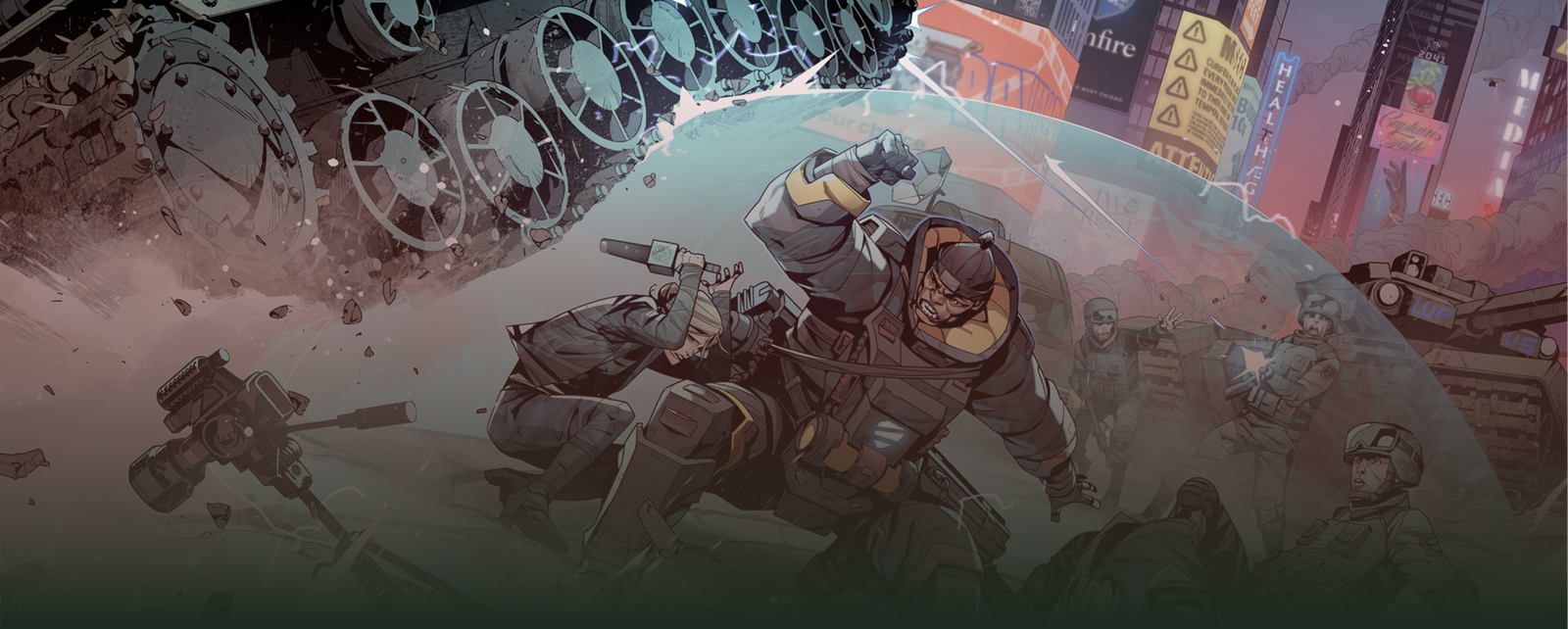
SQUADBLAST
FAST-PACED 2D SHOOTER
01 – OVERVIEW
ROLE: UI/UX Designer
PROJECT DURATION: 5 Years
FOCUS AREA: UX design, Game systems, UI Kit and Design System.
STUDIO: ULTRAHORSE
PLATFORMS: Crossplatform (PC, X-box, PS5, Mobile)
GAME ENGINE: UNITY
GENRE: Fast-Pased 2D Shooter
RELEASE DATE: 2023
GAME STATUS: Published
02 – PROJECT
The Game
SquadBlast is a free-to-play multiplayer run-and-gun shooter. Its team-based battles are an innovative take on a shooter that you have to experience — meticulously balanced for fairness and incredibly easy to pick up and play. In SquadBlast, every bullet matters. You’ll need to adapt diverse lines of attack to claim victory in a variety of modes.
My Role
Over five years of development, the small demo project grew into a complex multiplayer game with a large number of interconnected systems and features. My role involved designing and evolving the UI/UX across these systems while maintaining a consistent and intuitive experience for players.
KEY FOCUS: UX design, UI design, Design systems
03 – DESIGN CHALLENGES
As with every game, SquadBlast presented a set of technical and design challenges that affected the development process. Some of the challenges persisted throughout the whole development process. Below are several of them that proved to be worthy of the name „Challenge”
Information Overload
From the very beginning, Squadblast was planned as a feature-heavy game that catered to many types of players. Managing that overwhelm and having dedicated spaces for features were top priority of Design and Dev teams.
Complexity of Game design
The depth of the game and number of features were never negotiable and UI/UX design had to translate complex concepts into enjoyable player experiences.
Lack of Clear Feedback
Complexity of the gameplay and metagame features required to create feedback systems that provide immediate and contextual feedback through animations, notifications, and visual styles showing clear results for the players
Balancing Clarity and Visual Identity
The rich lore of the game provided a perfect environment to create a unique visual identity for the game. Key to success was balancing everything with clarity, prioritizing player experience first and aesthetics second.
04 – DESIGN PHILOSOPHY
The aim of this design was to balance simplicity with depth—making the game easy to understand while providing enough choice, strategy, and progression to keep players engaged over time. Through my time with this project, the four pillars of design emerged.
While a specific design philosophy was never discussed for this project, my goal was always to design for players and clarity. When I am designing My goal is to create a game experience that is clear, engaging, rewarding, and player-focused. Every feature and interface should have a clear purpose, feel intuitive to use, and contribute to the overall gameplay experience.
Clarity
Make complex systems and information easy to understand and use.
Consistency
Create familiar patterns across different game systems and features.
Efficiency
Reduce unnecessary steps and player friction.
Player Comes First
Ensure the game interface supports rather than distracts from the game experience.
05 – UNDERSTANDING PLAYERS
The key point of every game is understanding what kind of player you are creating the game for. Taking the player as the center of the research, two directions of the research emerged during the development process. First – Player Research. It was conducted via interviews, player questionnaires, and player feedback forms. Second – Player Behavior Research – which involved A/B testing, organized play-tests, and live tournaments during various LAN and exhibition events,
Player Profiles
Two very clear player profiles emerged early in the research and consistently persisted during all development process. The profiles were used similarly to Personas, helping to define the majority of game features as well as UI/UX designs. Game feature design is a primary source for game UX design; therefore, it was used by the Game Design and UI/UX.
Young Player
Age: Teen, Young Adult
Why They Play: Playing is a way to pass the time and have fun with friends, sometimes playing competitive games. Likes to express themselves through their achievements and collections. Seeks something new and unseen before.
Previous Gaming Experience: Minecraft, UGC content, Fortnite, Destiny 2, Apex Legends
Preferred Platforms: PC, Xbox, Mobile
Nostalgia Player
Age: Adult
Why They Play: Playing games is part of this player’s life, as they have been doing it from a young age. They had some great experiences and seek to relive them again in the new games they discover.
Previous Gaming Experience: Awesomenuts, Brawlhalla, Cs: GO. Apex Legends, Destiny 2, and other multiplayer shooter and platformer games.
Preferred Platforms: PC, Xbox, Steam Deck
06 – DESIGN PROCESS
Due to limited resources, technical limitations, and team capacity, the game development and all UI/UX implementation have been planned and executed in stages, prioritizing features most relevant to the project vision and business demands. The approach of a Continued Iterative Process helped manage time spent on each feature and allowed several parts of the game to be worked on simultaneously.
Core Steps of the process
Understanding
Game design, technical limitations, player profiles, and the overall vision of the game dictate what can and can not be designed for the feature,
Ideation
Player user flows, wireframes and early feature prototypes are created to adhere to the feature requirements as much as humanly possible.
Design
After ideation is confirmed, the application of UI design takes place. The design system is reviewed for additional designs, and documentation for the feature is created. After reviews and iterations, final designs are confirmed and preparations for implementation takes place.
Implementation
All feature implementation information is passed to the developers. Developer support is provided in this step if needed.
Testing and Launch
Excessive feature testing with QA and internal playtests takes place. Bugs, inaccuracies, and other obstacles are removed before launching a feature.
Design Tools
FIGMA, PHOTOSHOP, ADOBE AFTER EFFECTS, NOTION, UNITY, MIRO
07 – MY CONTRIBUTION
Through the five-year journey I had with this project, I have contributed to and worked on almost every part of this game. The full scale of the project is hard to contain on one page; therefore, below you can find the selected list of features I had my hands on. I
Game features
OVERVIEW
The main game window/hangar is a UI-heavy menu that serves as a hub for accessing game features.
THE PROBLEM
Lots of unique game features such as Quests, News, Battle, Loadout, Inventory, Social, Shop and Player progression that need to be accessed from one point in the game.
THE GOAL
Create a hub that lets players access core game features without overwhelming them with information. Use familiar gaming patterns to lessen mental load and introduce intuitiveness.
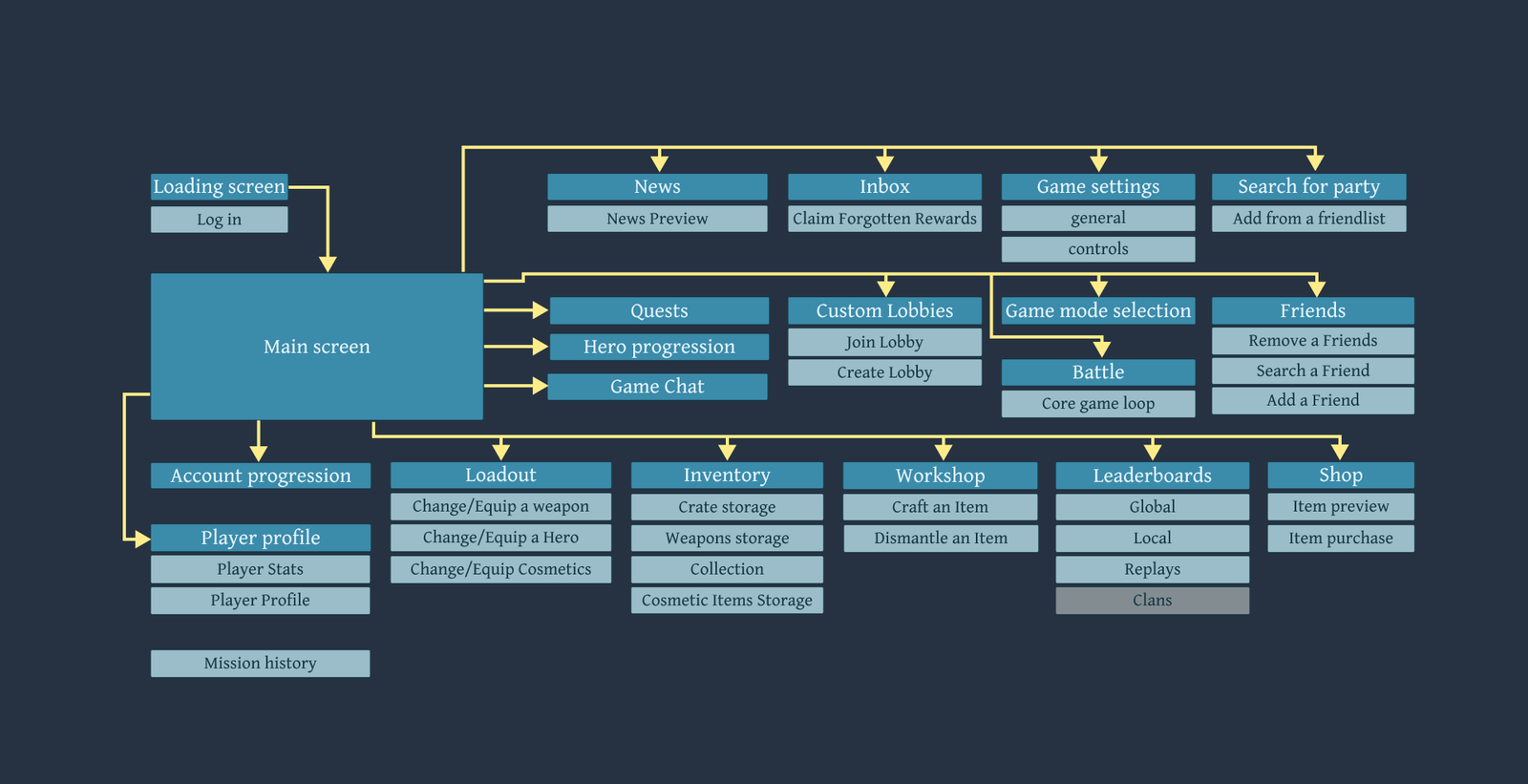
Main game hub
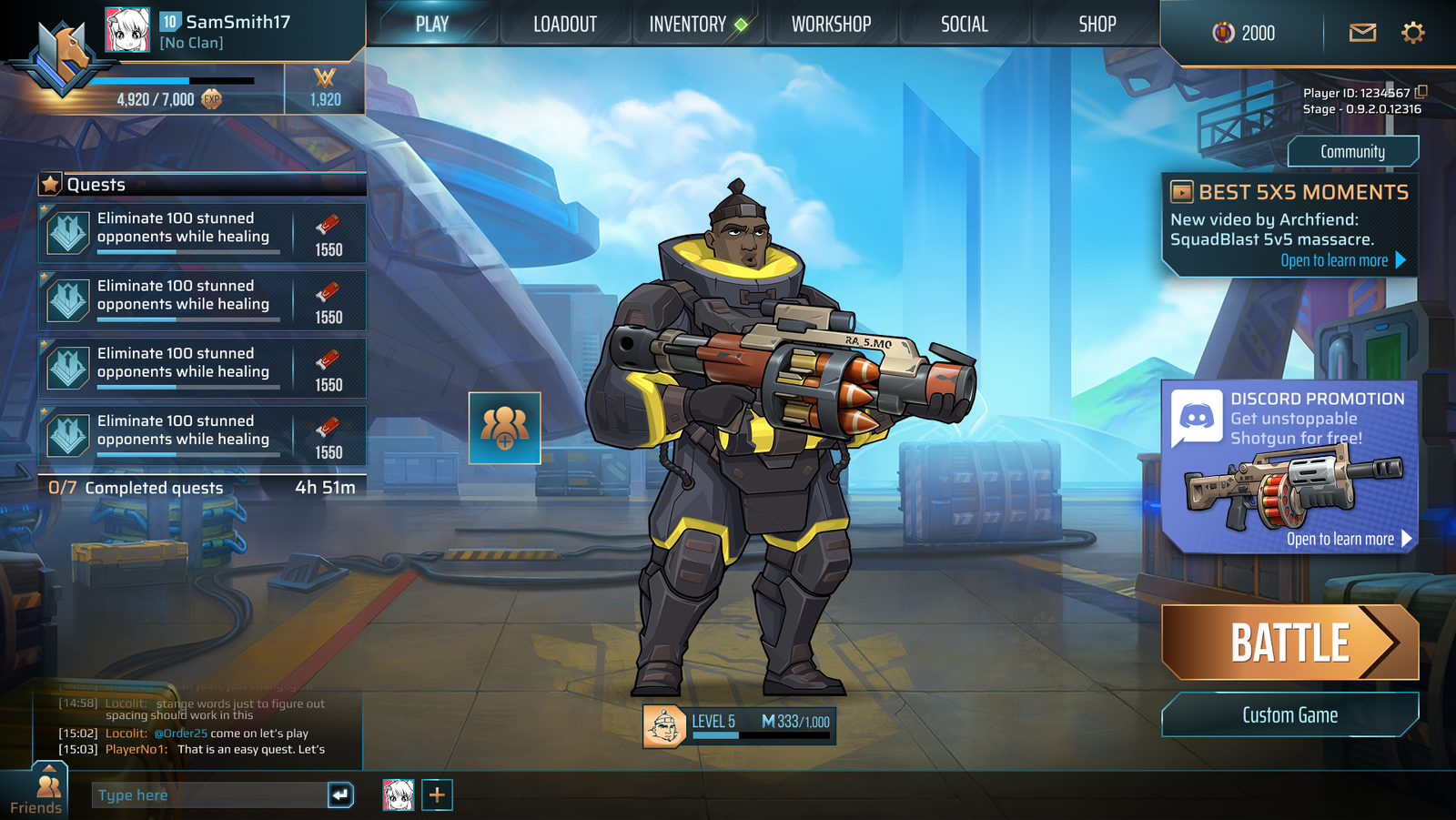

OVERVIEW
Squadblast is available on multiple platforms; login and game account creation happen on the backend side with minimal interactions on the frontend. The game loading screen is used as a backdrop for account linking for returning users.
THE GOAL
Provide a quick and efficient way to access the game from any platform.
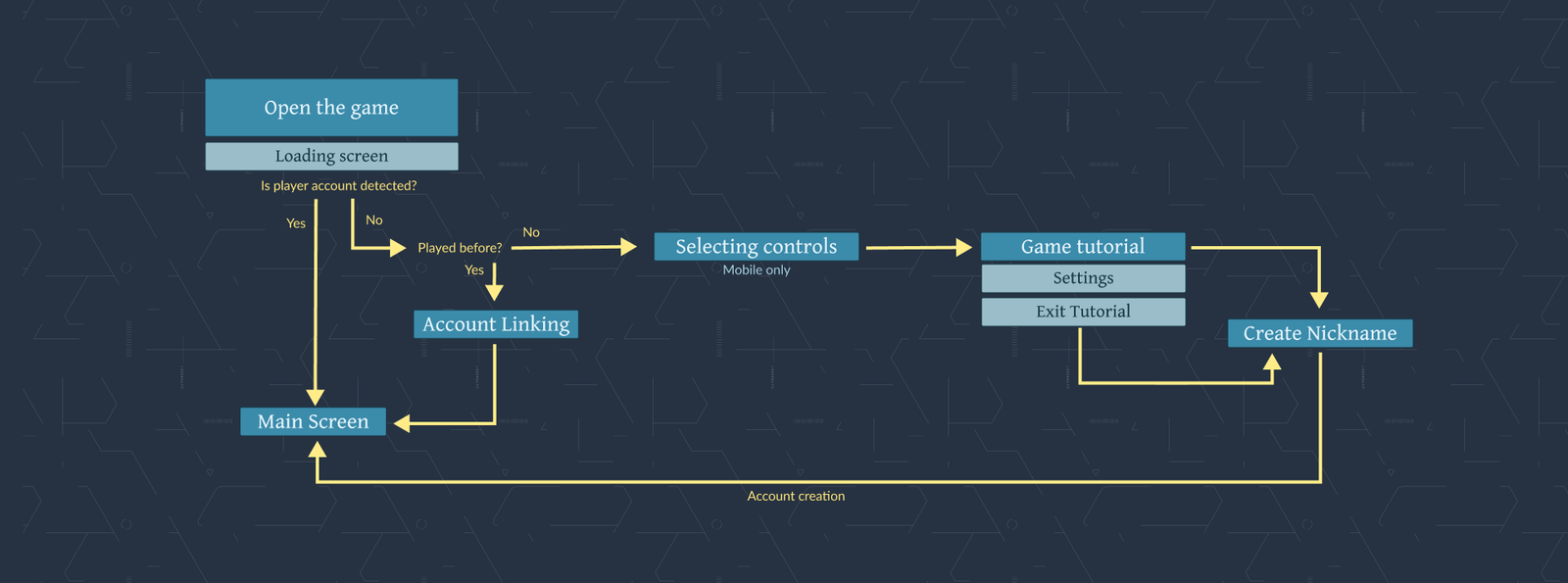
Designs
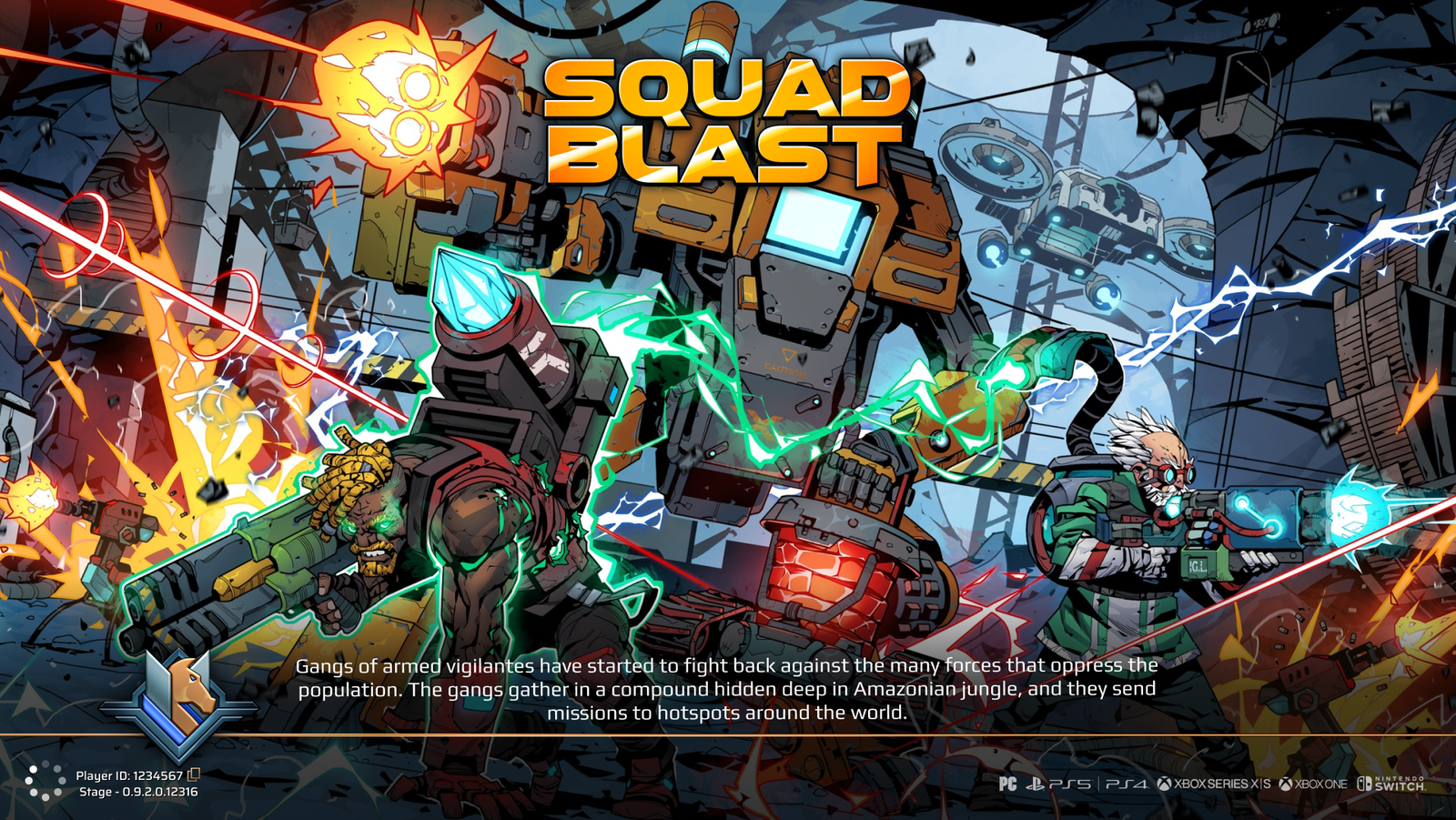
Login screen
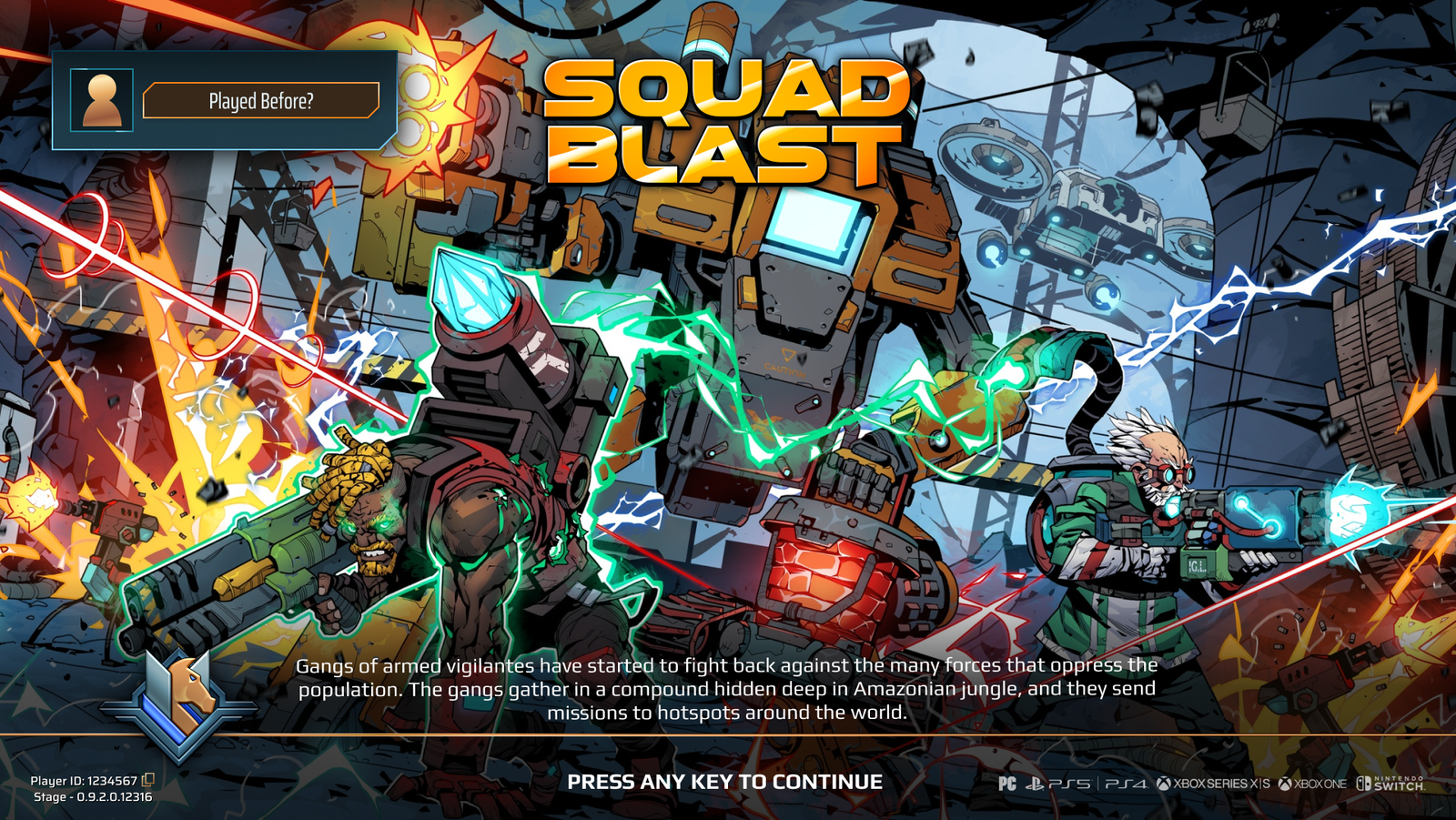
Login screen / Returning player pop-up
OVERVIEW
Custom Lobbies allow players to create and host their own multiplayer sessions with greater control over who participates and how the game is played. Players can create a lobby, invite or share access with other players, configure available game settings, and start the match when the group is ready.
THE PROBLEM
The standard matchmaking system optimizes for quickly finding a game, but it doesn’t give players enough control over the people, rules, or context of that game.
THE GOAL
Enable players to easily create, customize, and organize their own games with the people they choose, creating a more social, flexible, and engaging multiplayer experience.
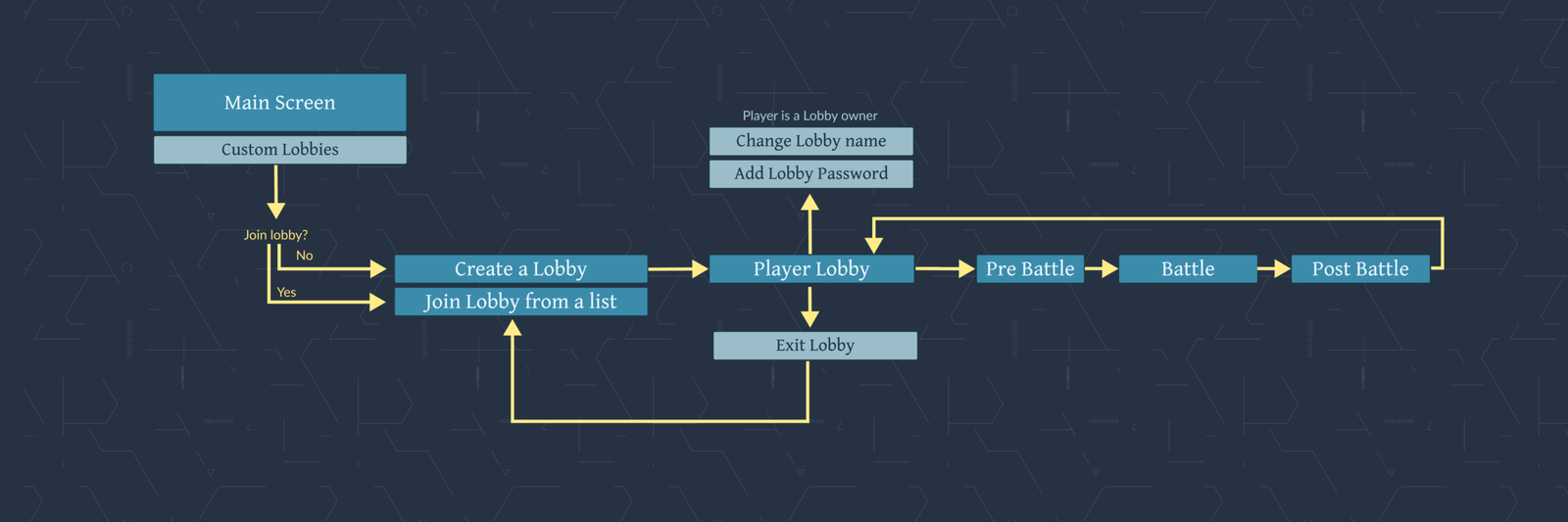
Designs
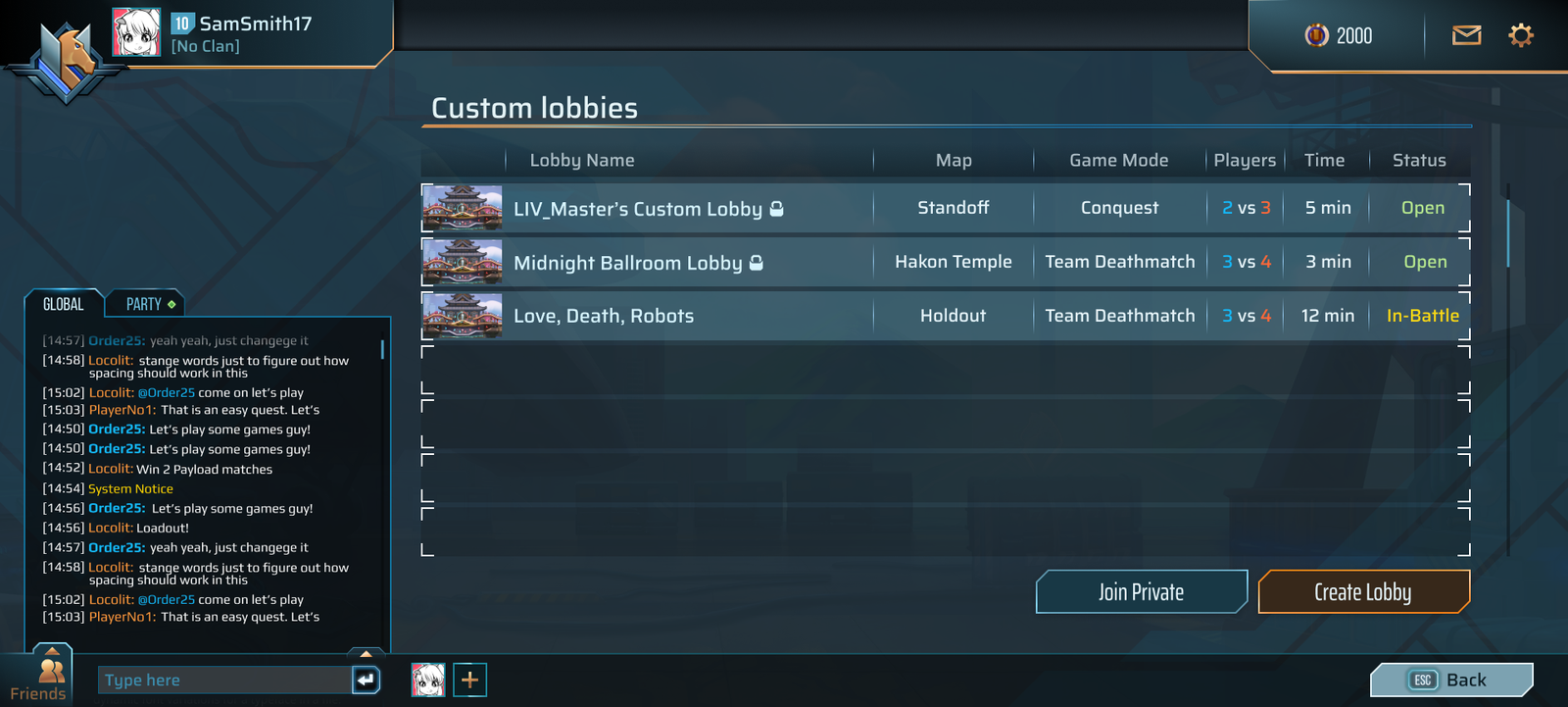
Custom lobbies
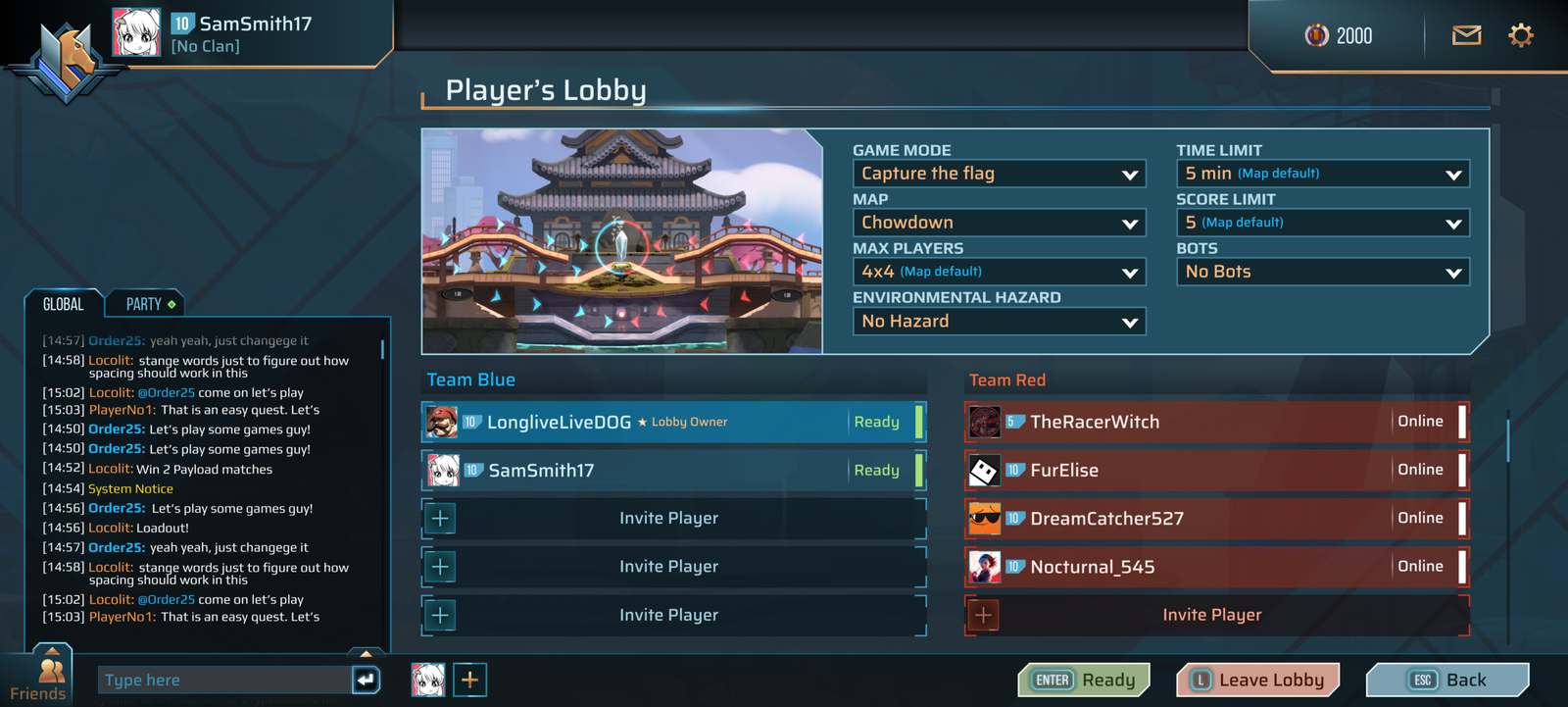
Players lobby
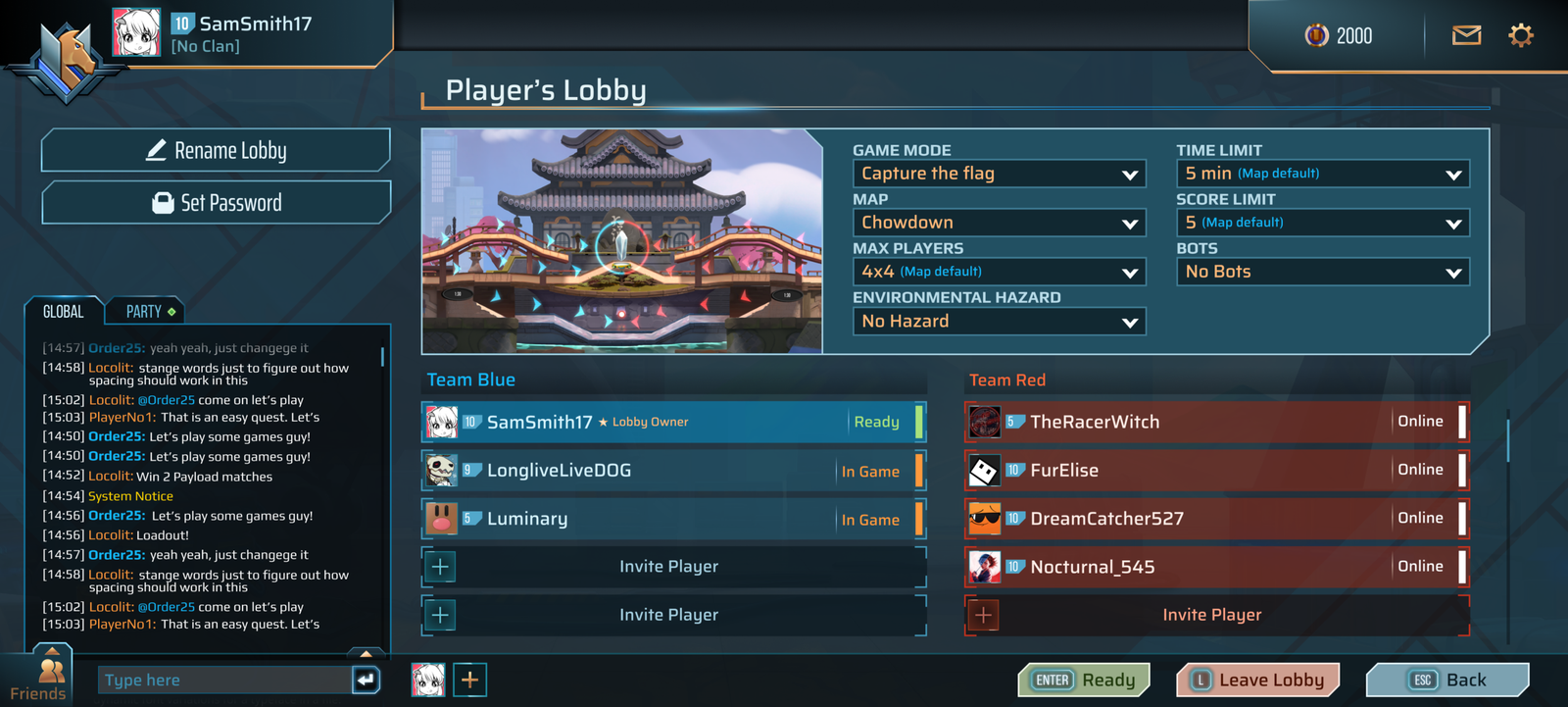
Players lobby / Lobby Admin view
OVERVIEW
Loadout allows players to prepare and customize their character’s equipment and appearance before entering a game. Players can select from available weapons, cosmetic items, and heroes with different abilities to create a setup that matches their preferred playstyle.
THE PROBLEM
It is difficult to manage in-game weapons, select between characters and prepare sets for different playstyles without a dedicated system in place.
THE GOAL
Give players meaningful control over how they approach gameplay while making preparation quick, clear, and convenient.
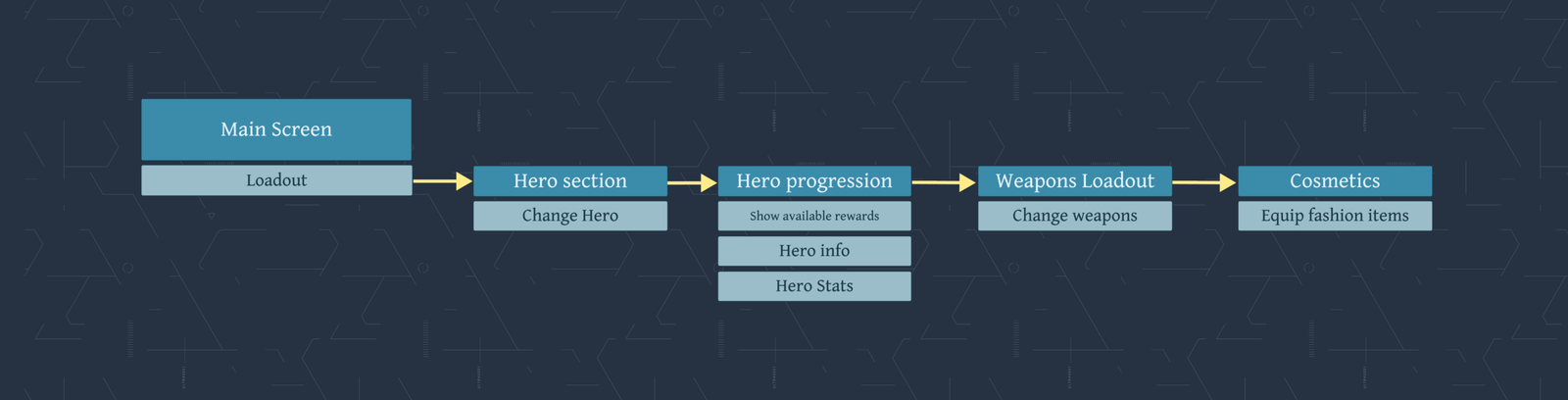
Designs
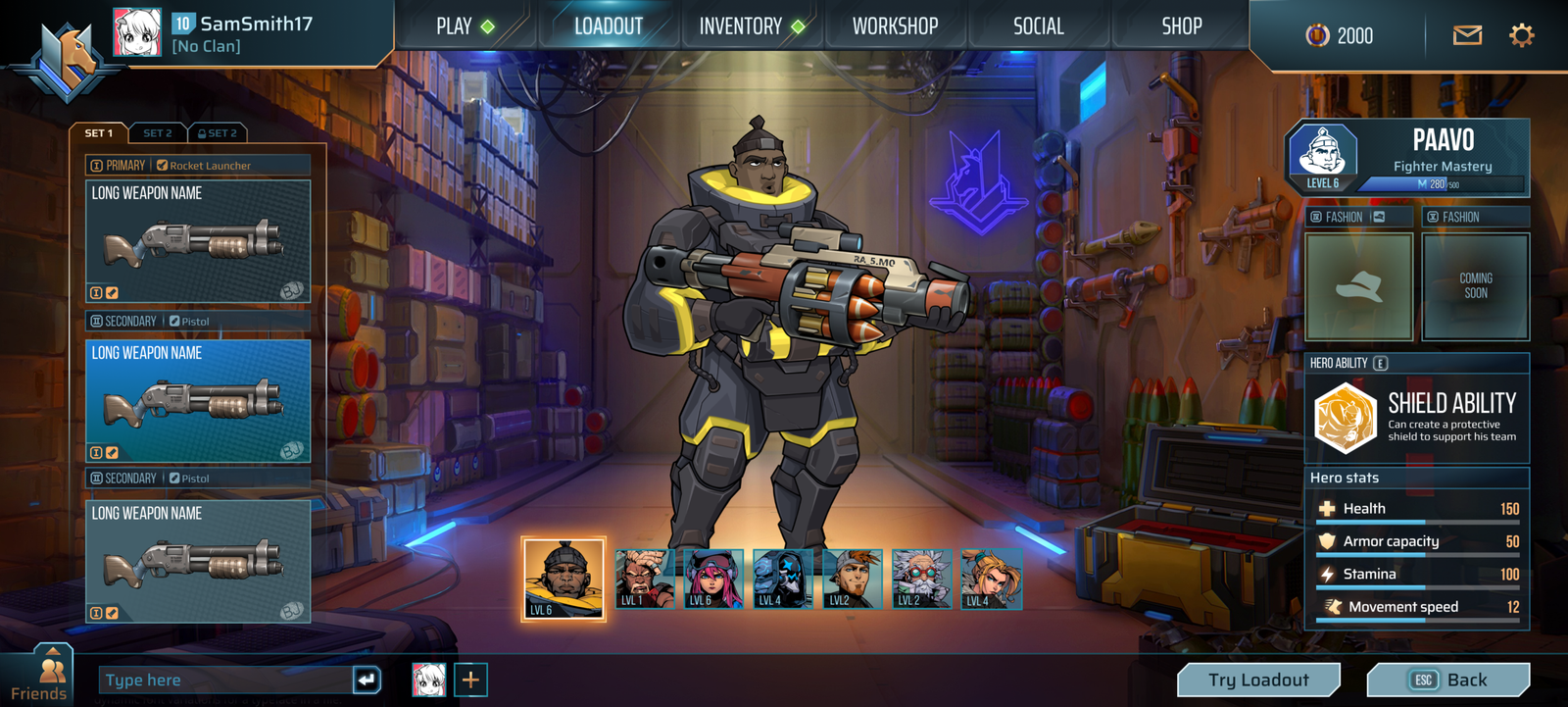
Loadout
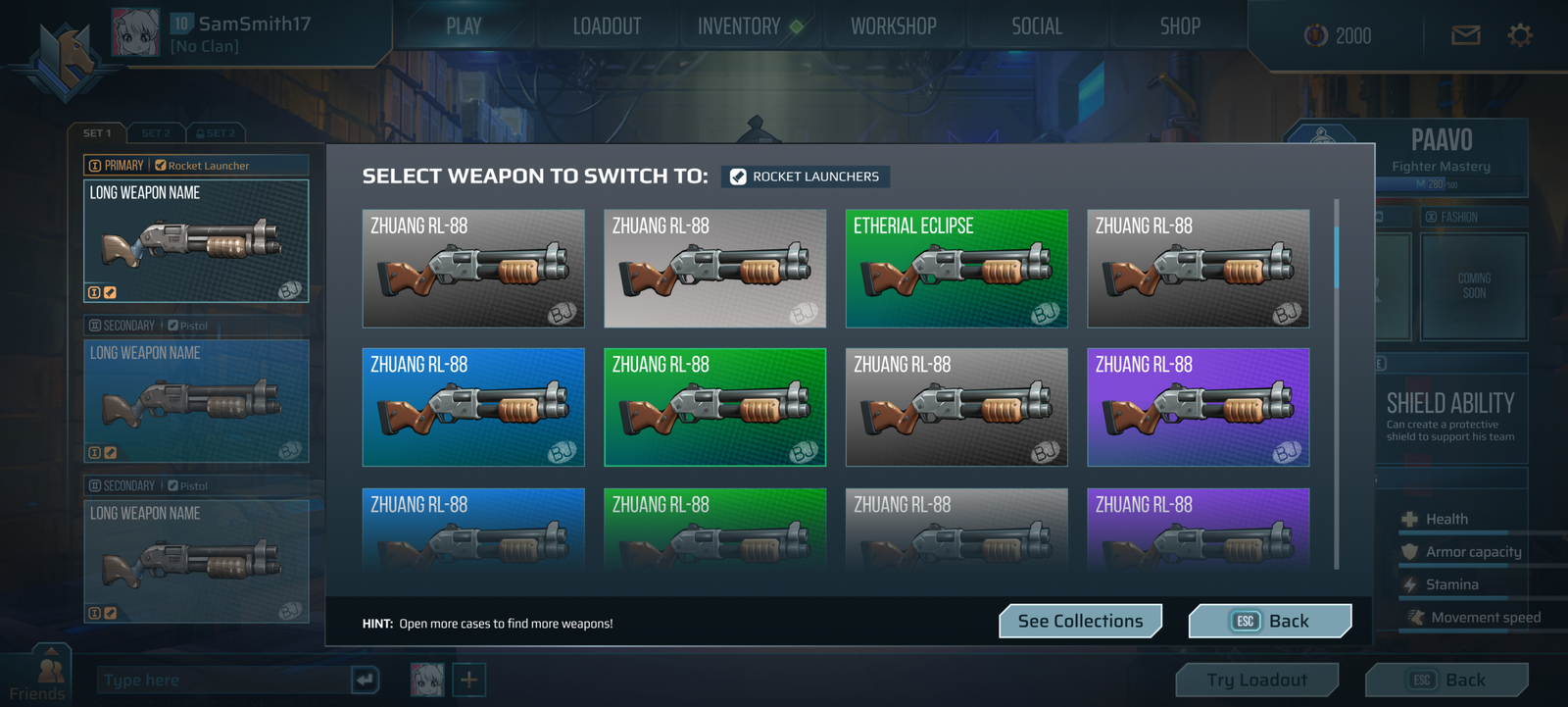
Weapon selection
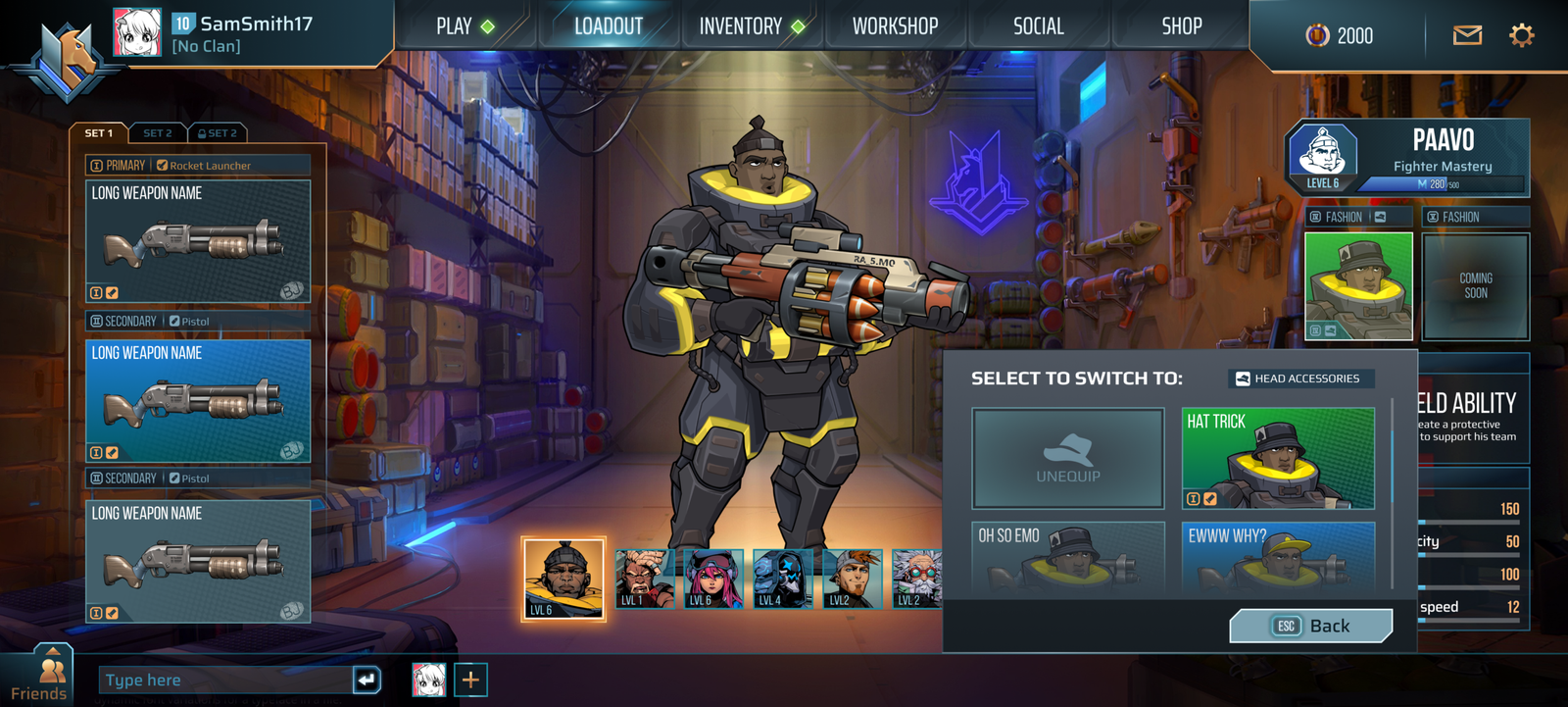
Cosmetics selection
OVERVIEW
The inventory system allows players to view, organize, manage, and access the items they own or have purchased throughout the game. It provides a central place for players to understand what items they have, their quantities, and how those items can be used, equipped, consumed, traded, or otherwise interacted with.
THE PROBLEM
Difficulties managing, tracking, and acquiring in-game weapons, item cases, and consumable items.
THE GOAL
Give players a clear, organized, and convenient way to manage everything they own in the game. Create conditions to open item and weapon cases.
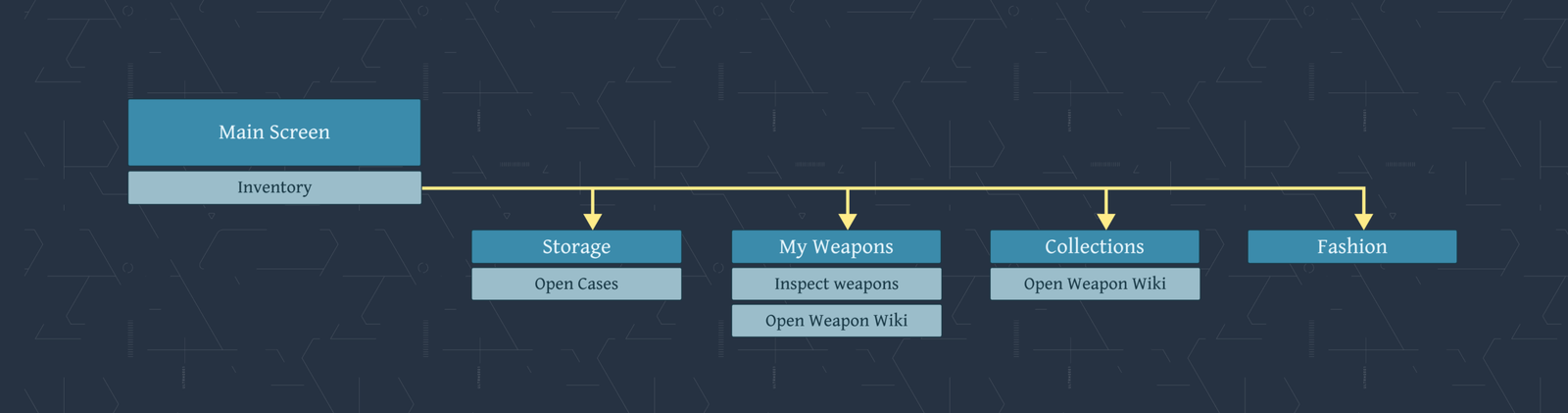
Designs
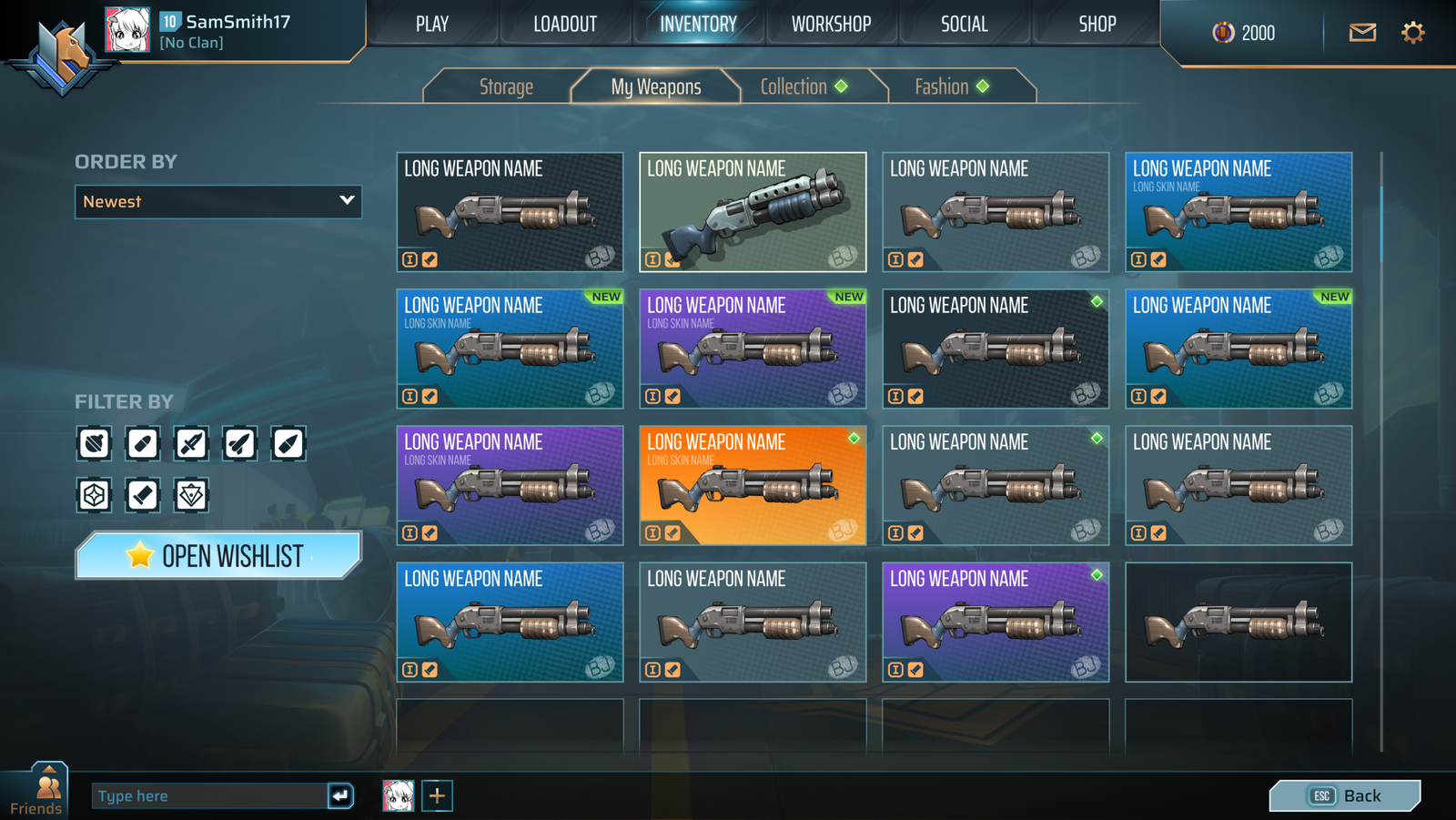
Inventory /My weapons tab
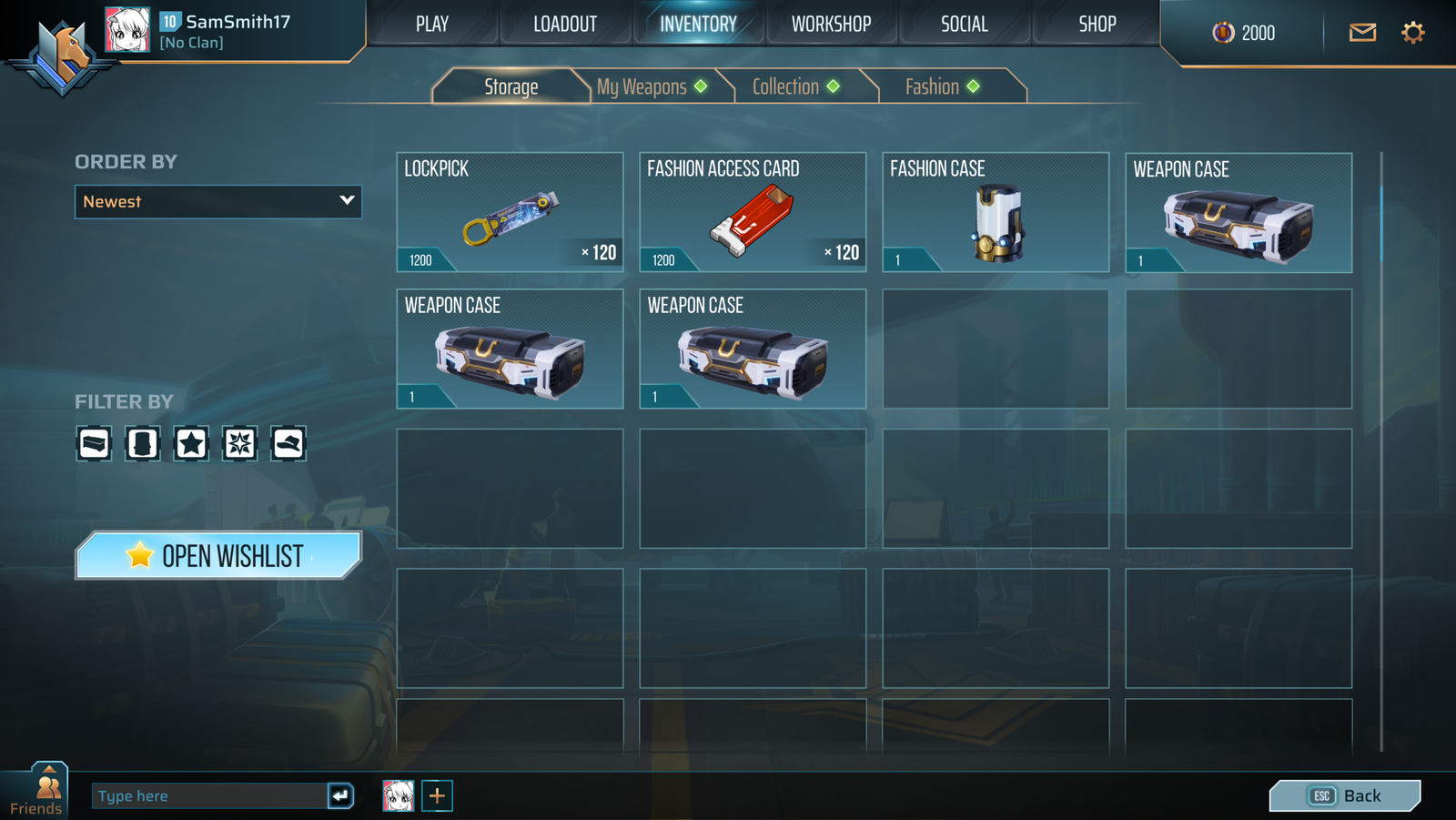
Inventory / Storage tabs
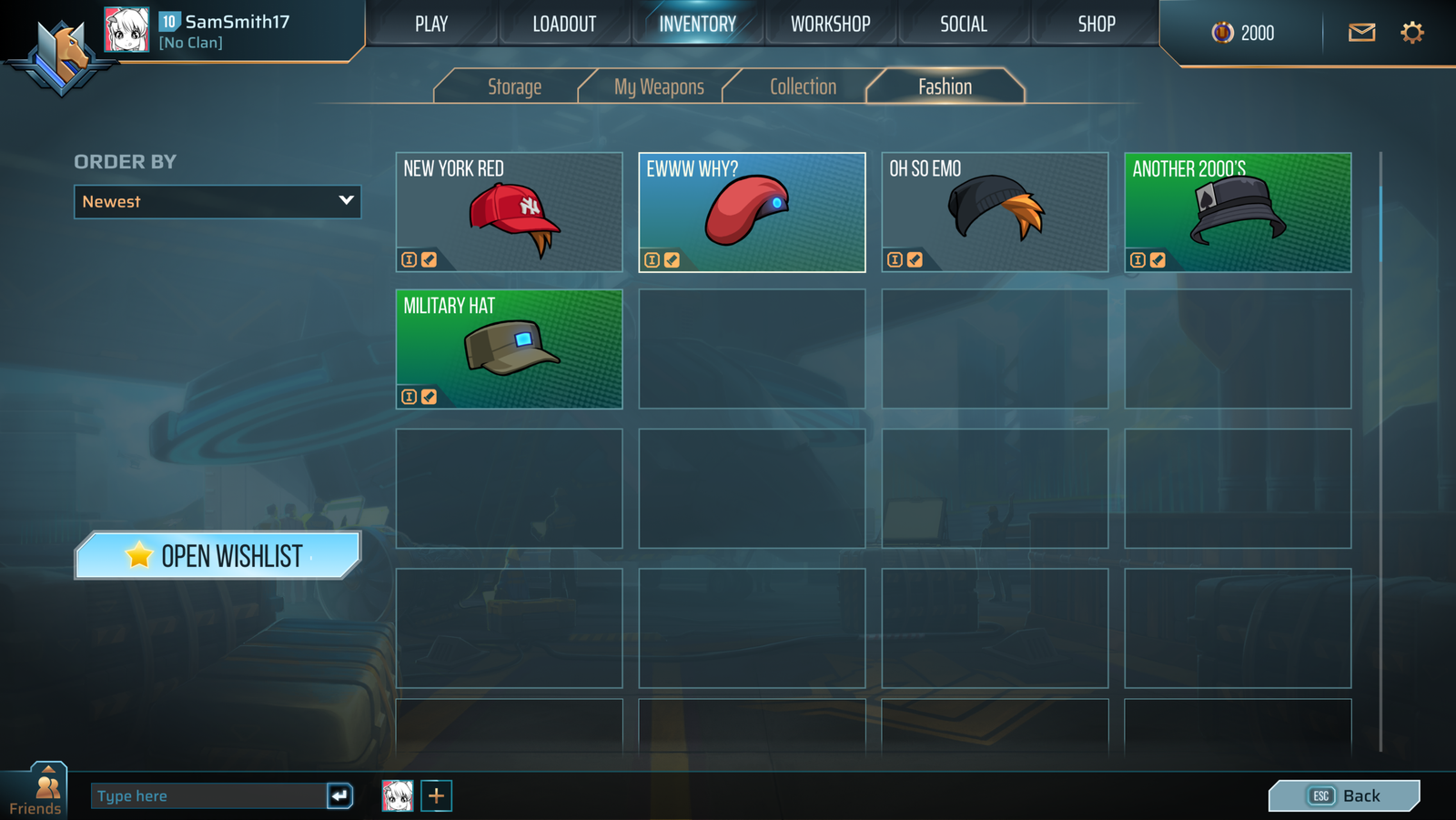
Inventory / Fashion tab
Cases & Item preview
OVERVIEW
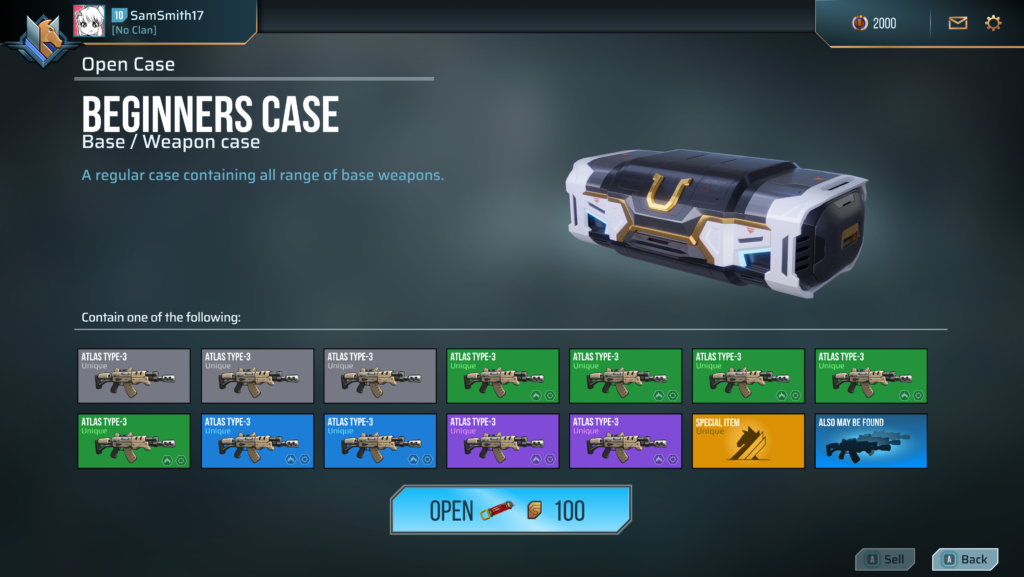
Item Cases allow players to receive and discover one or more in-game items through a structured reward experience.
THE PROBLEM
Lack of in-game rewards, reward variety, collectable items, and repetitiveness of the in-game reward systems.
THE GOAL
Provide a flexible and engaging way to package, deliver, and present in-game rewards while supporting player progression and collection.
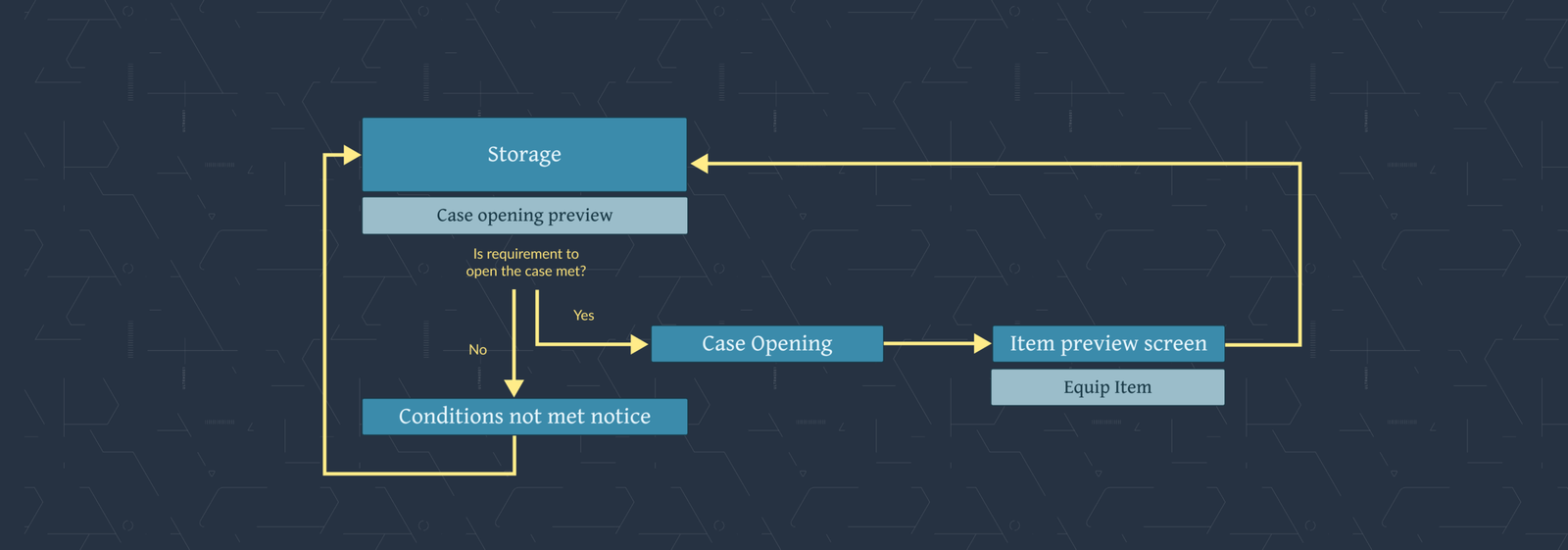
Designs
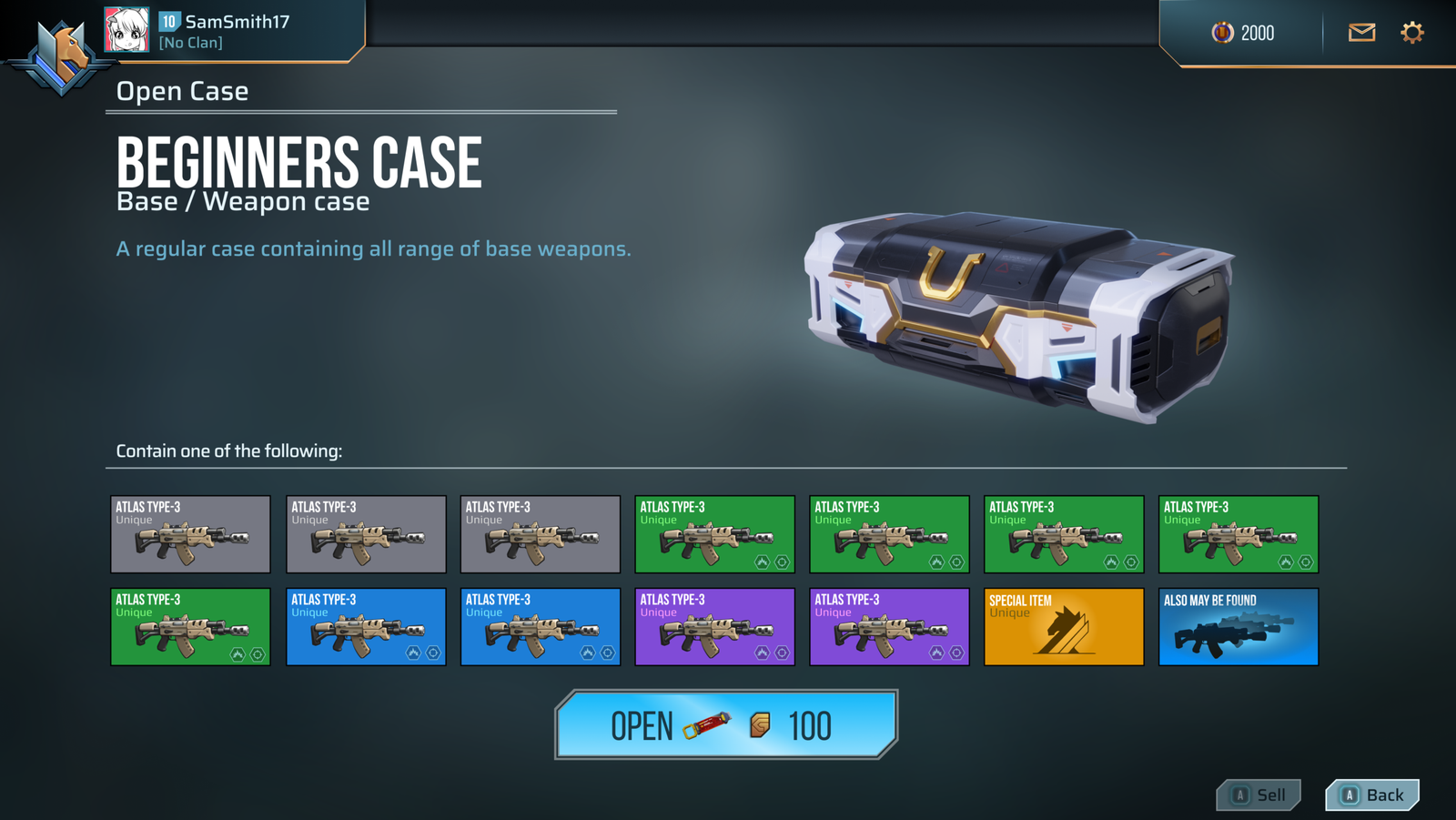
Cases screen
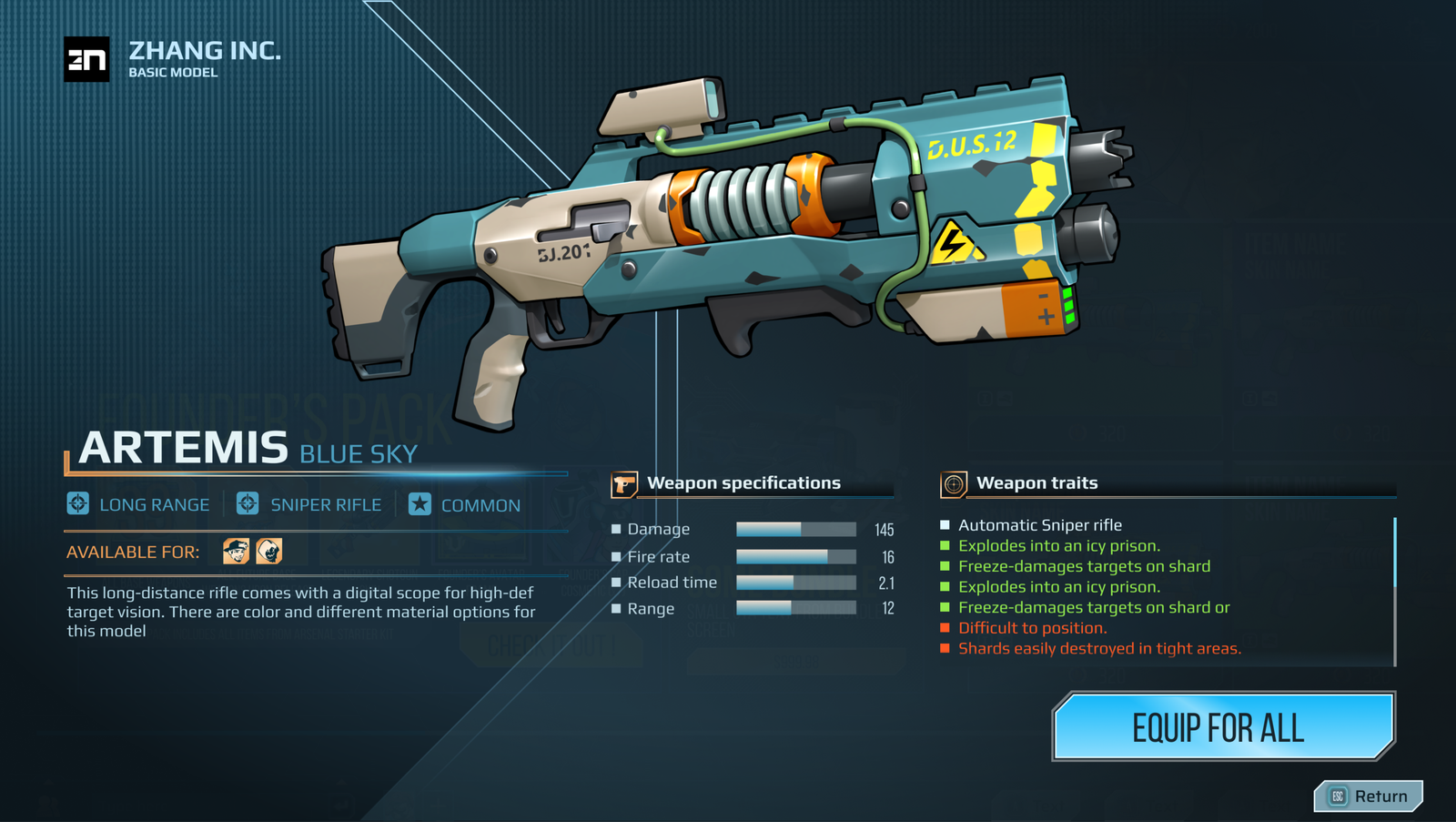
Weapon preview
OVERVIEW
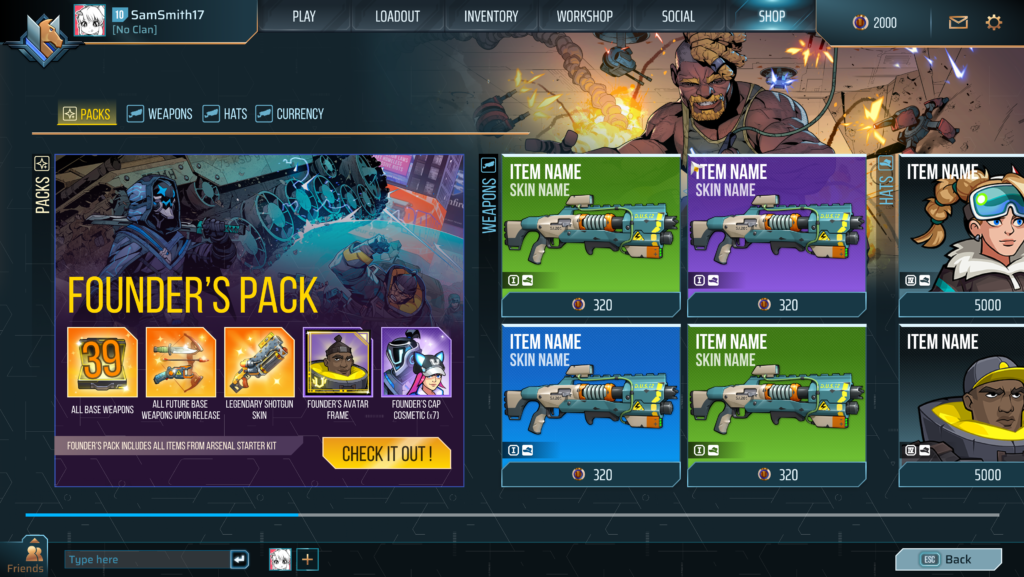
The Shop is an in-game marketplace where players can browse and acquire items, cosmetics, upgrades, resources, or other content using available in-game or premium currency.
THE PROBLEM
Difficulties in using accumulated currencies and resources, lack of choice and control in in-game item selection, and limited access to cosmetic items and content.
THE GOAL
Give players a wider choice in items and cosmetic content, support progression, and give value to in-game currency by providing meaningful ways to spend it.
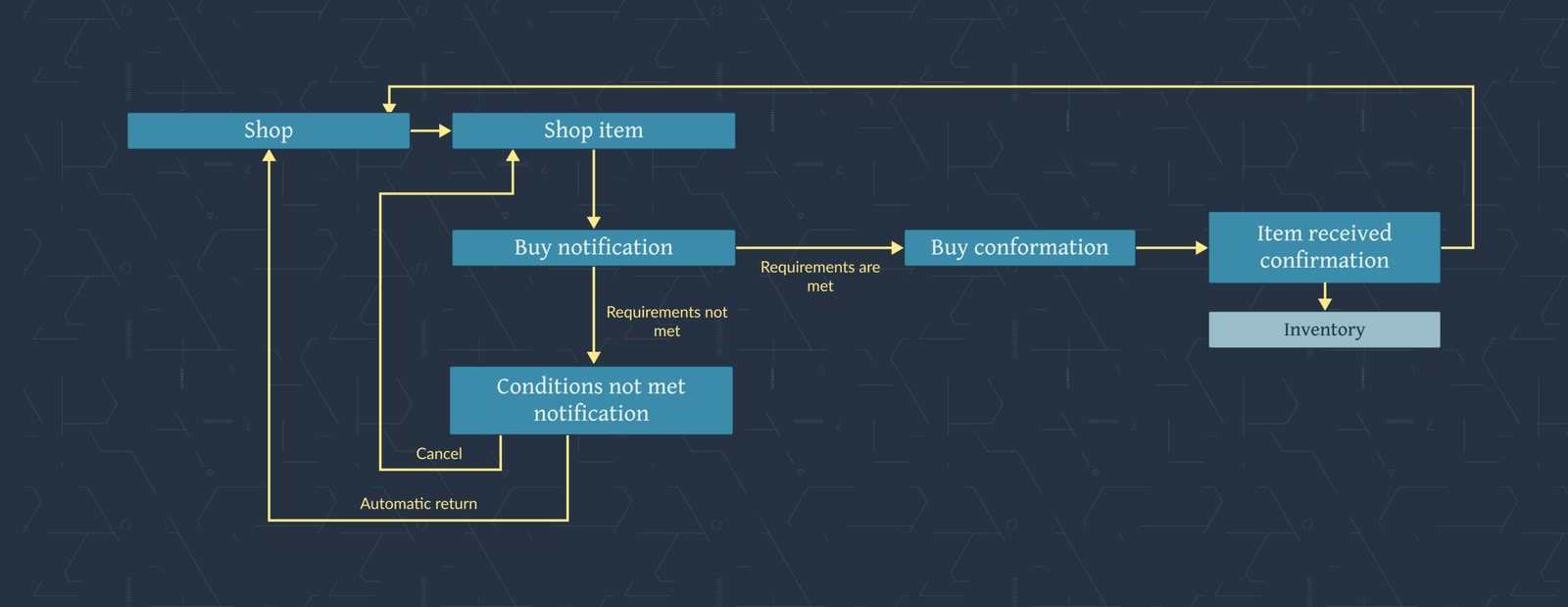
Designs
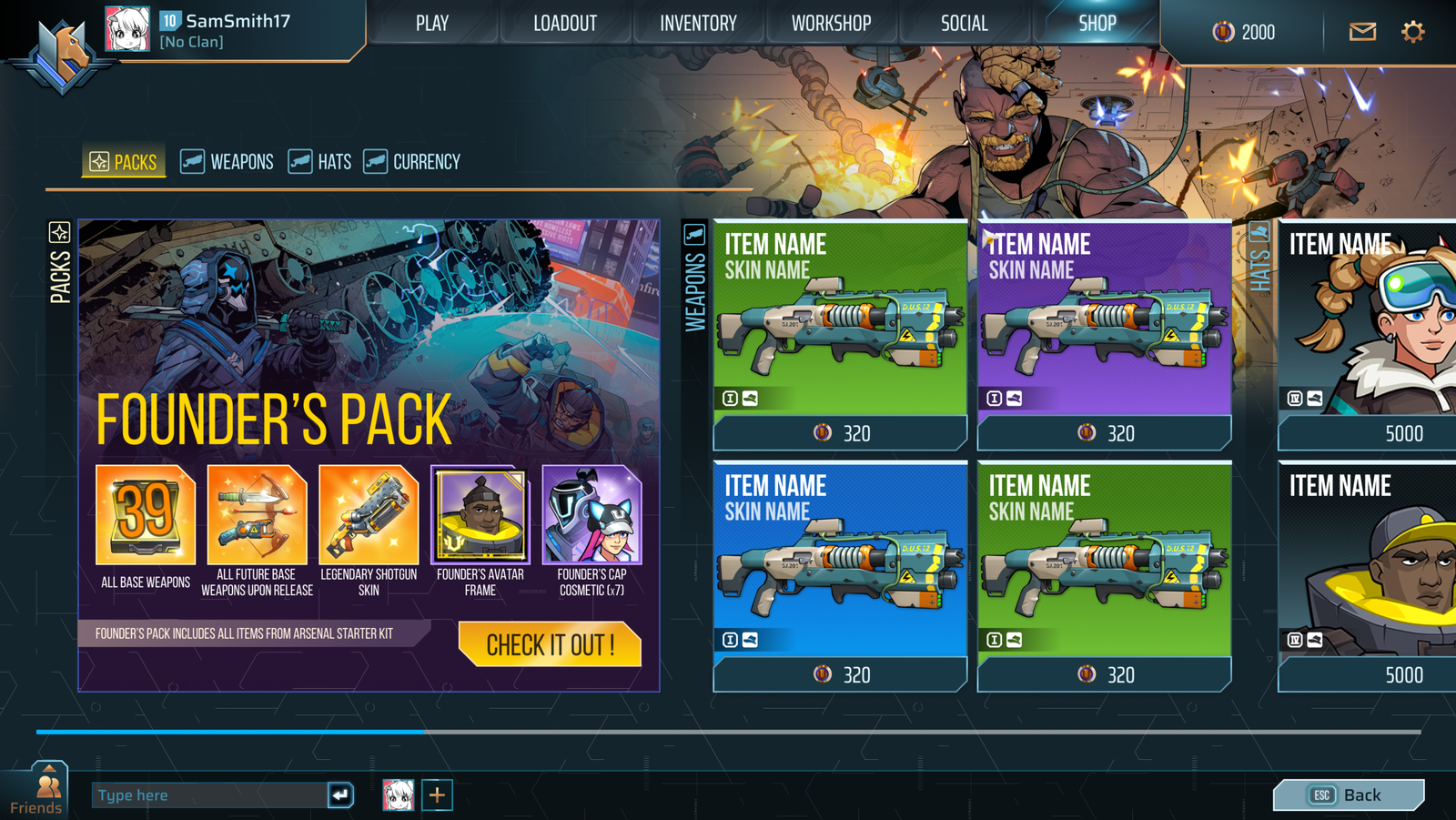
In-game Shop
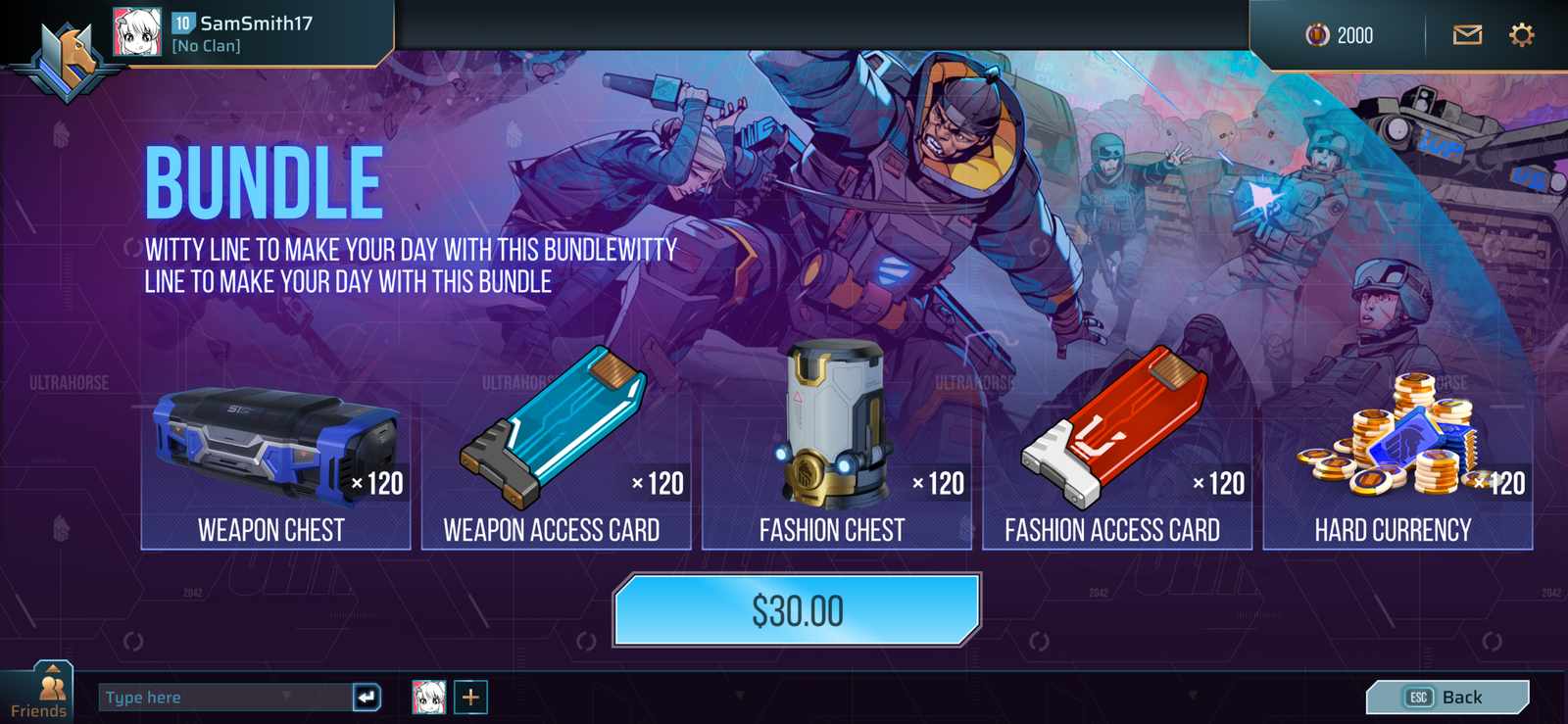
Bundles
OVERVIEW
The News Hub is a central in-game space where players can discover important updates, events, announcements, new content, and other information about the game.
THE PROBLEM
Relevant information about in-game events, updates, and the game development process is scattered across different channels.
THE GOAL
Create a single source of information within the game, increasing visibility and participation in game events, features, and activities.
Designs
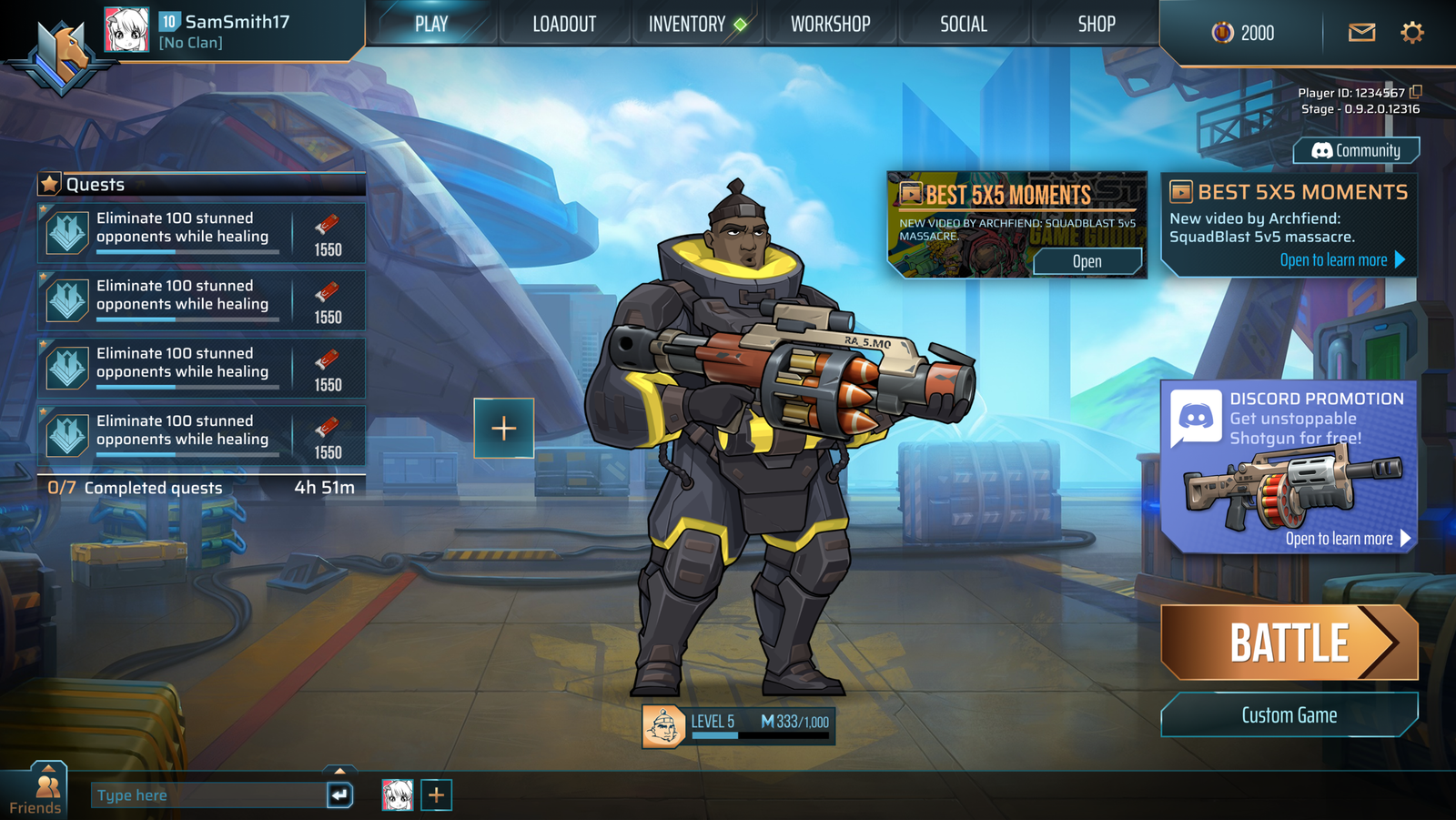
News widget in Main screen
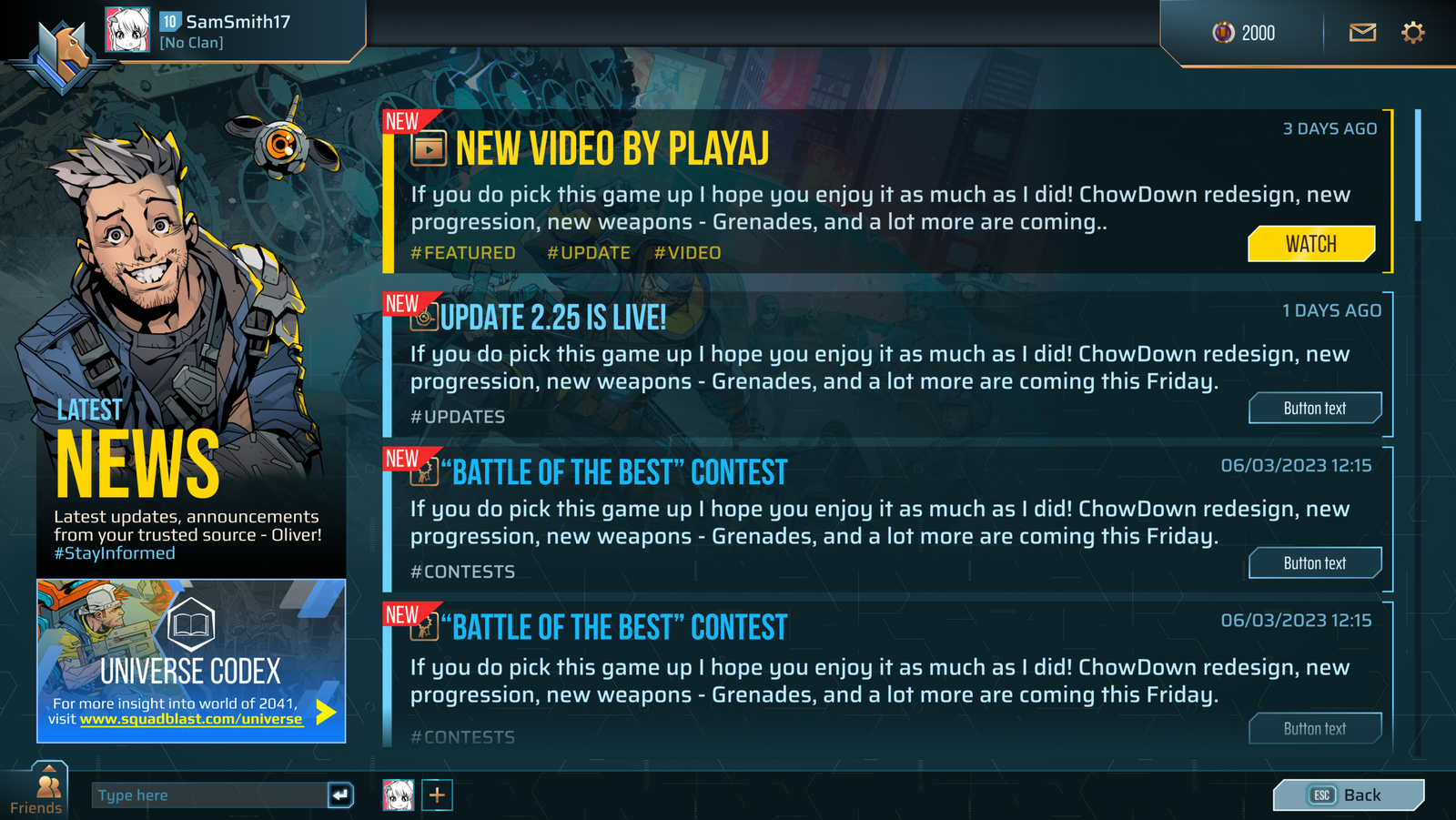
News feed
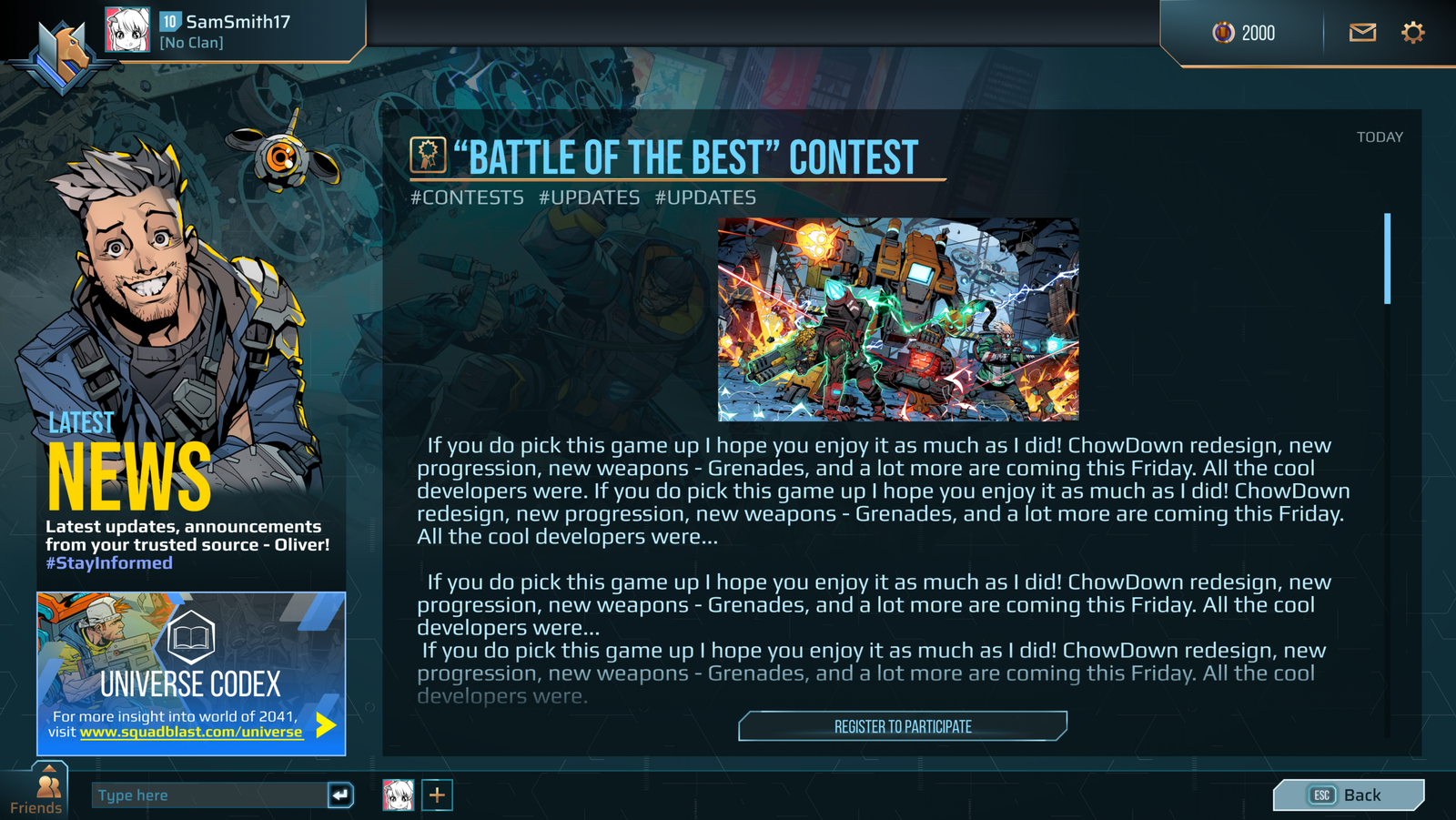
News
OVERVIEW
The Workshop is a dedicated in-game space where players can craft and dismantle items using collected resources and materials.
THE PROBLEM
Overflow of low-tier items and weapons that give no value to the game. Lack of meaningful discoverability in the game.
THE GOAL
Give value to resources and support progression through increased player agency and engagement by creating an item dismantling system.
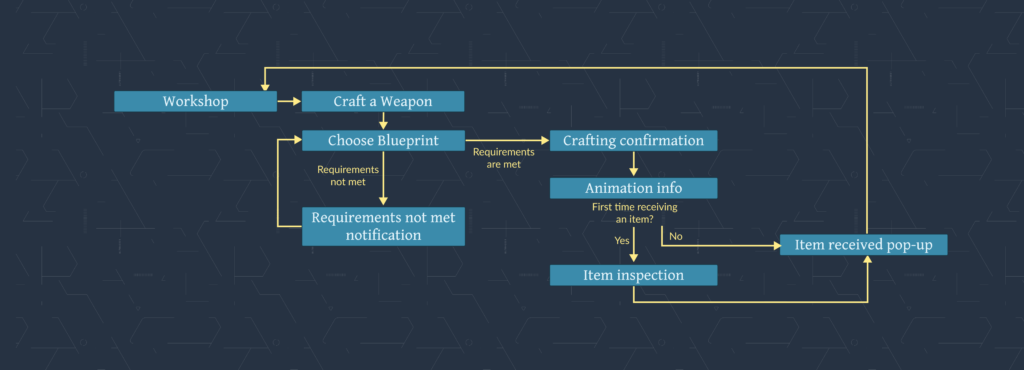
Designs
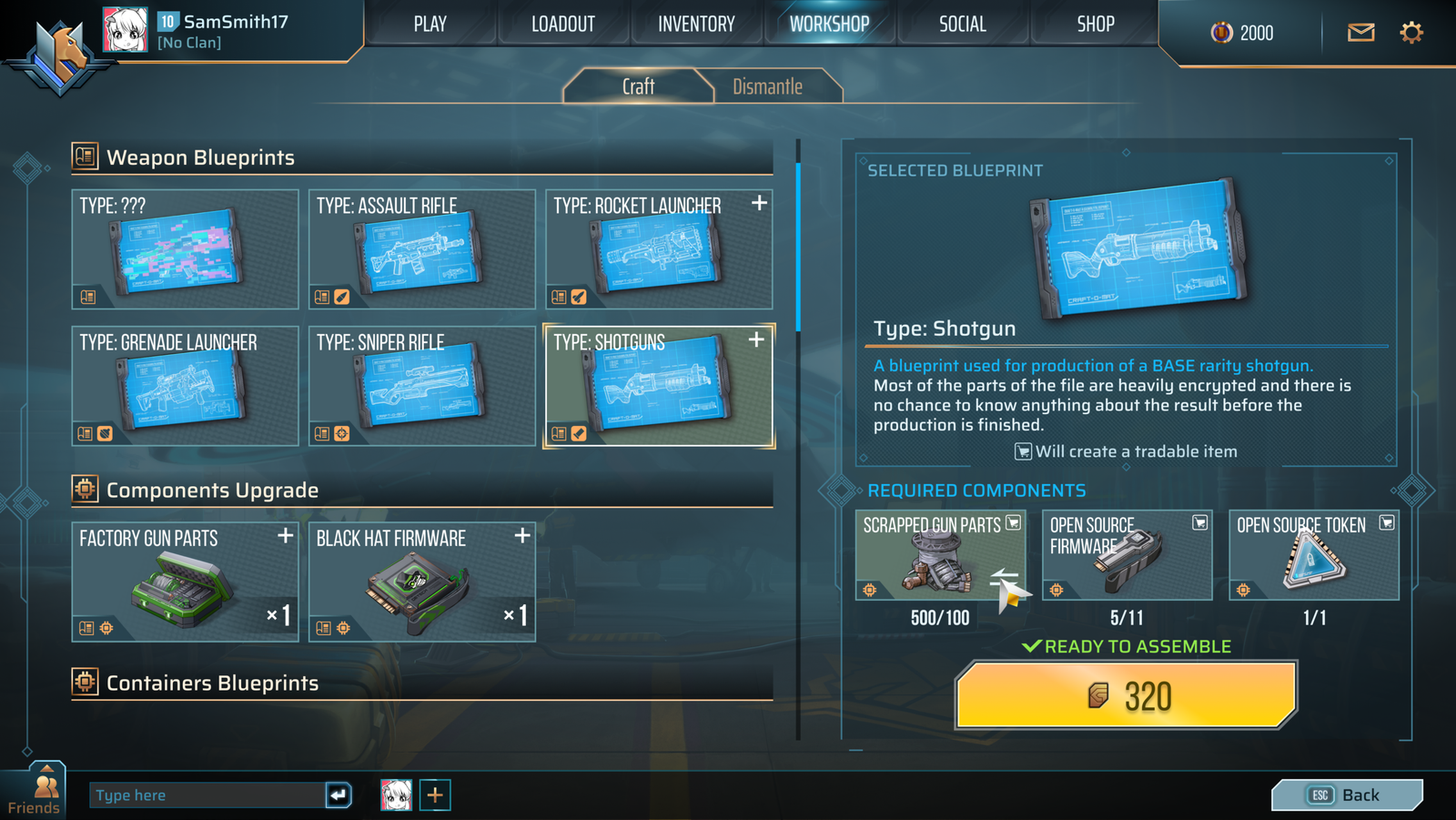
Workshop / Craft
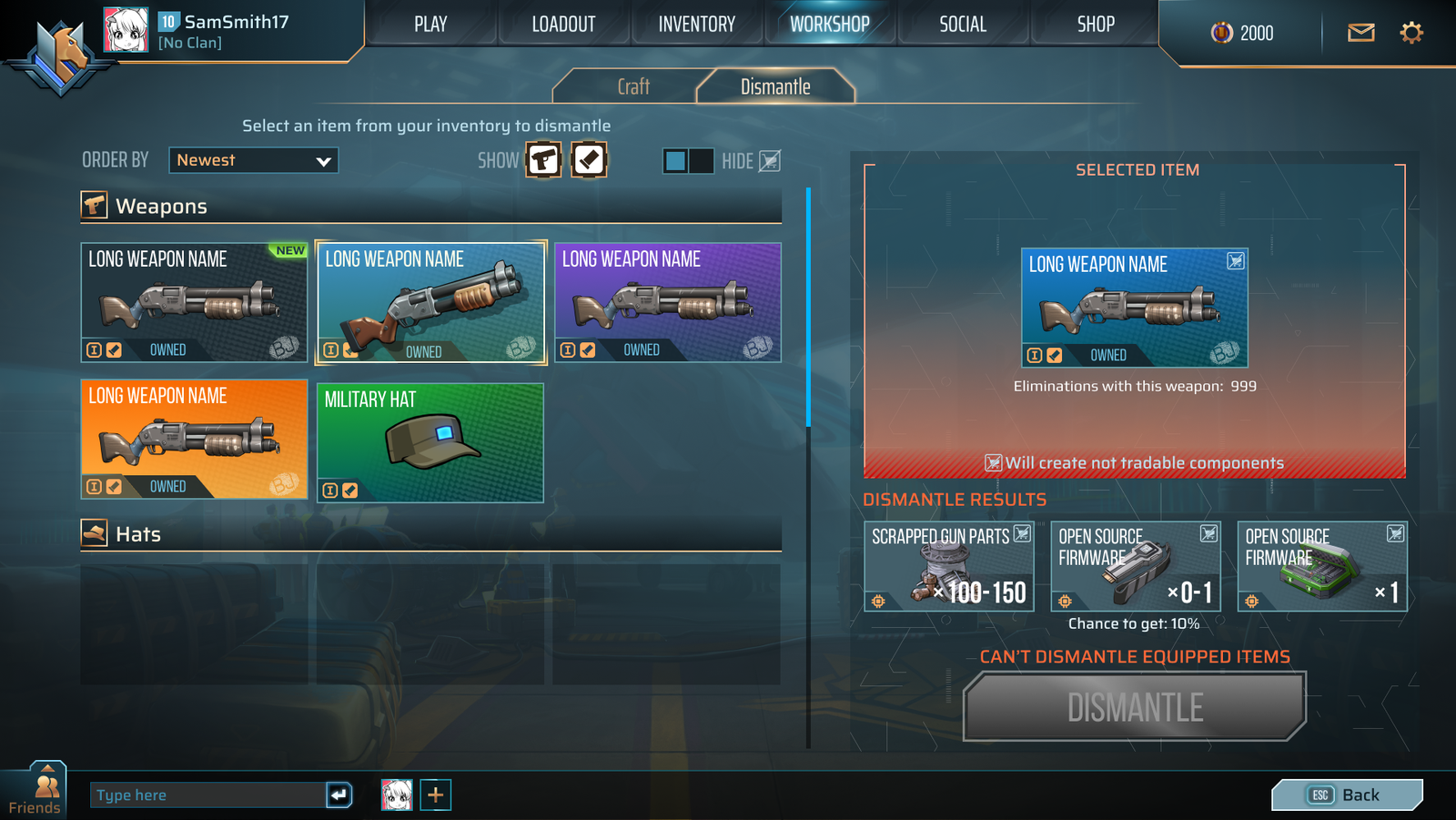
Workshop / Dismantle
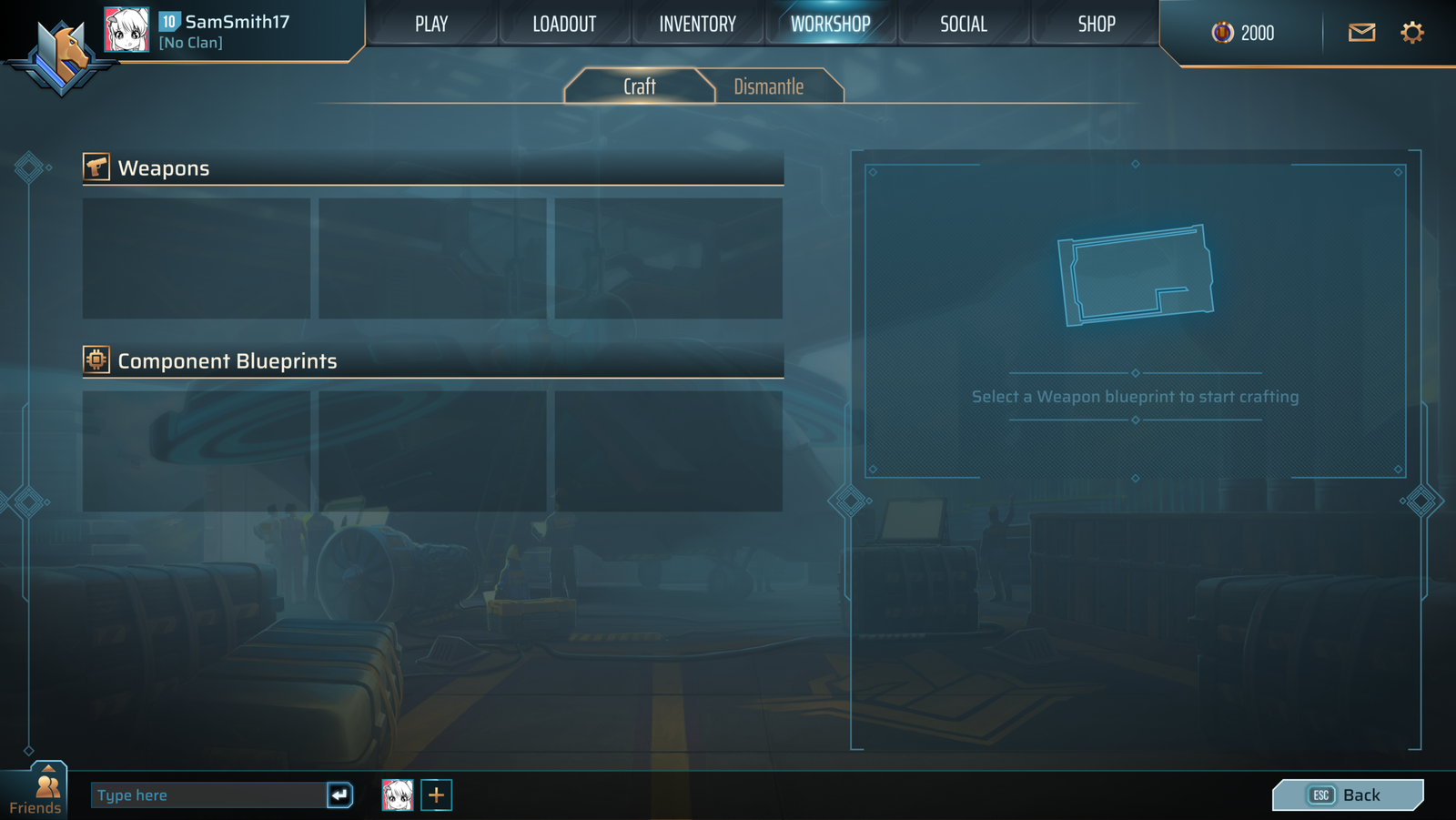
Workshop / Empty
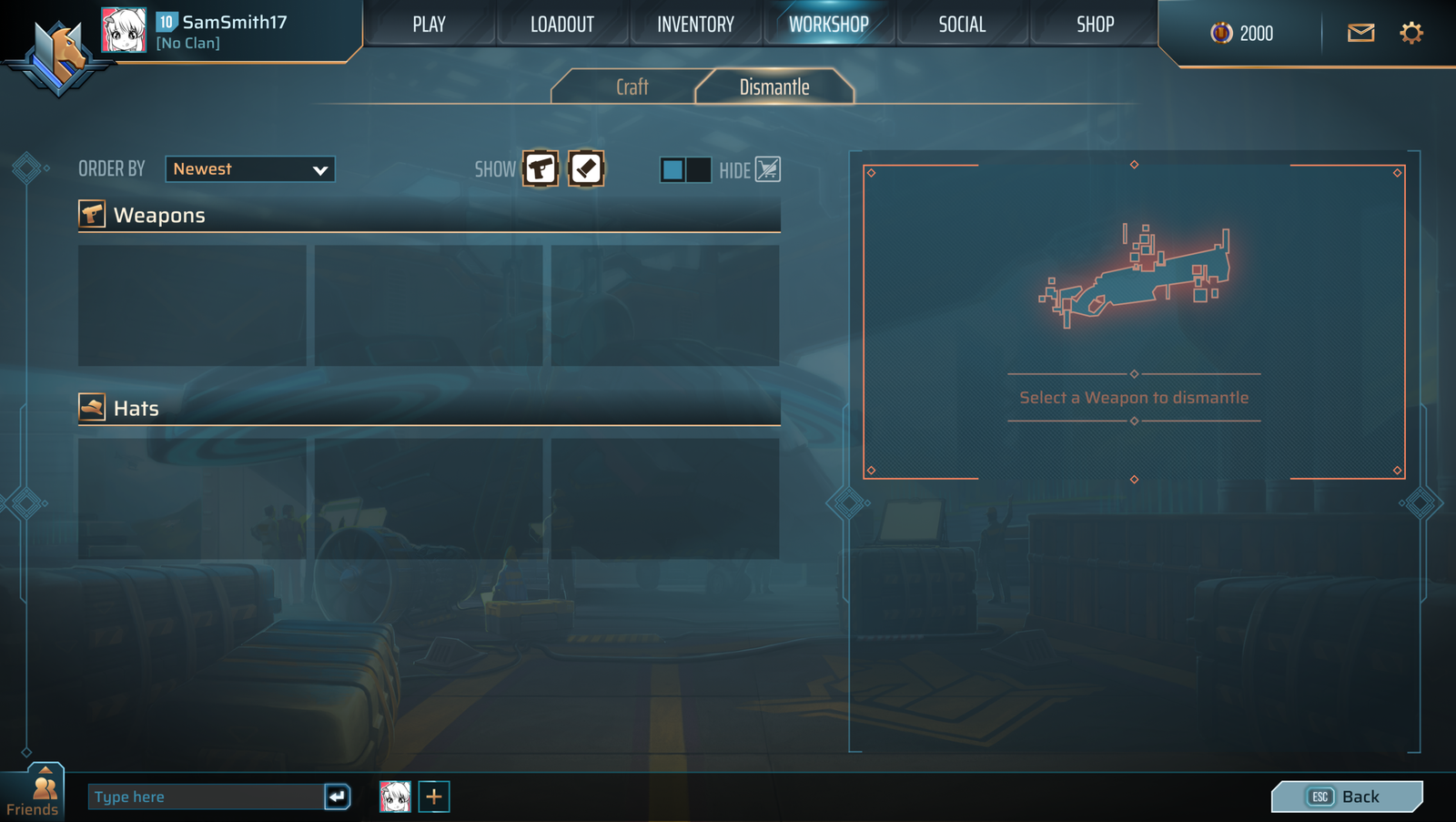
Workshop / Empty
OVERVIEW
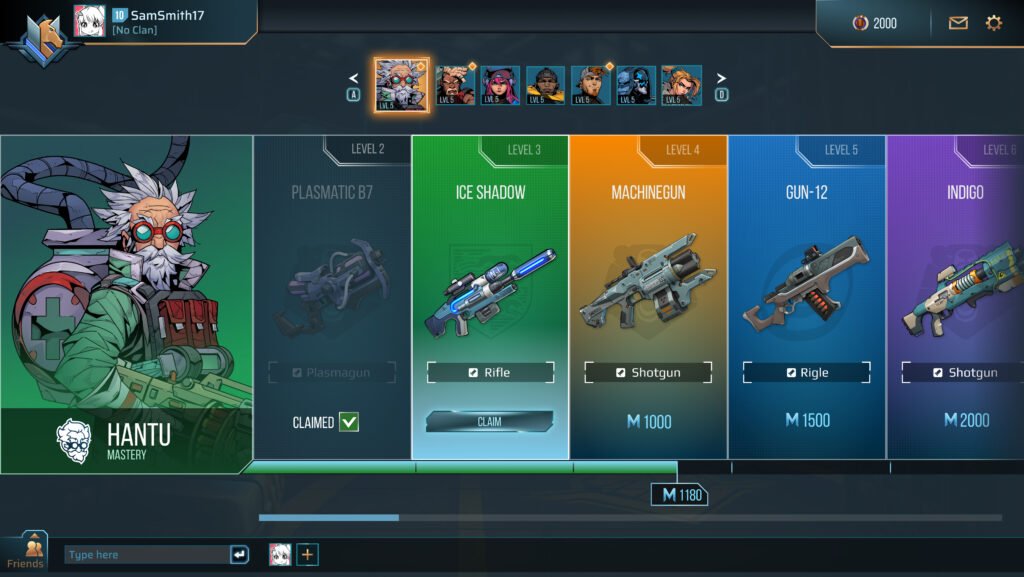
Game Progression is the system that tracks and communicates a player’s growth through levels, unlocks, achievements, and rewards as they play the game
THE PROBLEM
Lack of a sense of growth, achievement, and long-term goals in the game.
THE GOAL
Motivate continued play, reward player effort, and provide sense of accomplishment through increasing gameplay mastery.
Designs
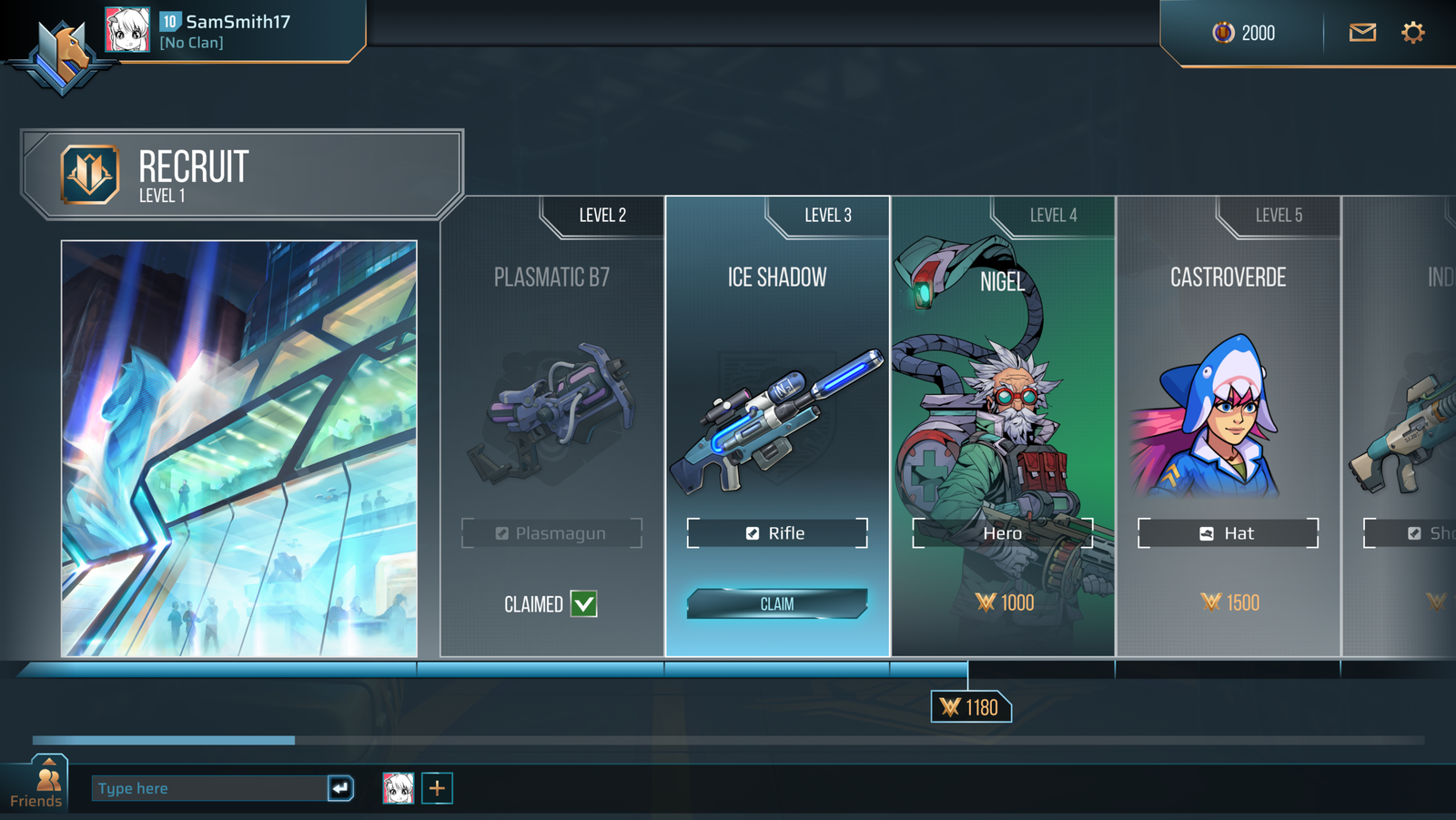
Account progression
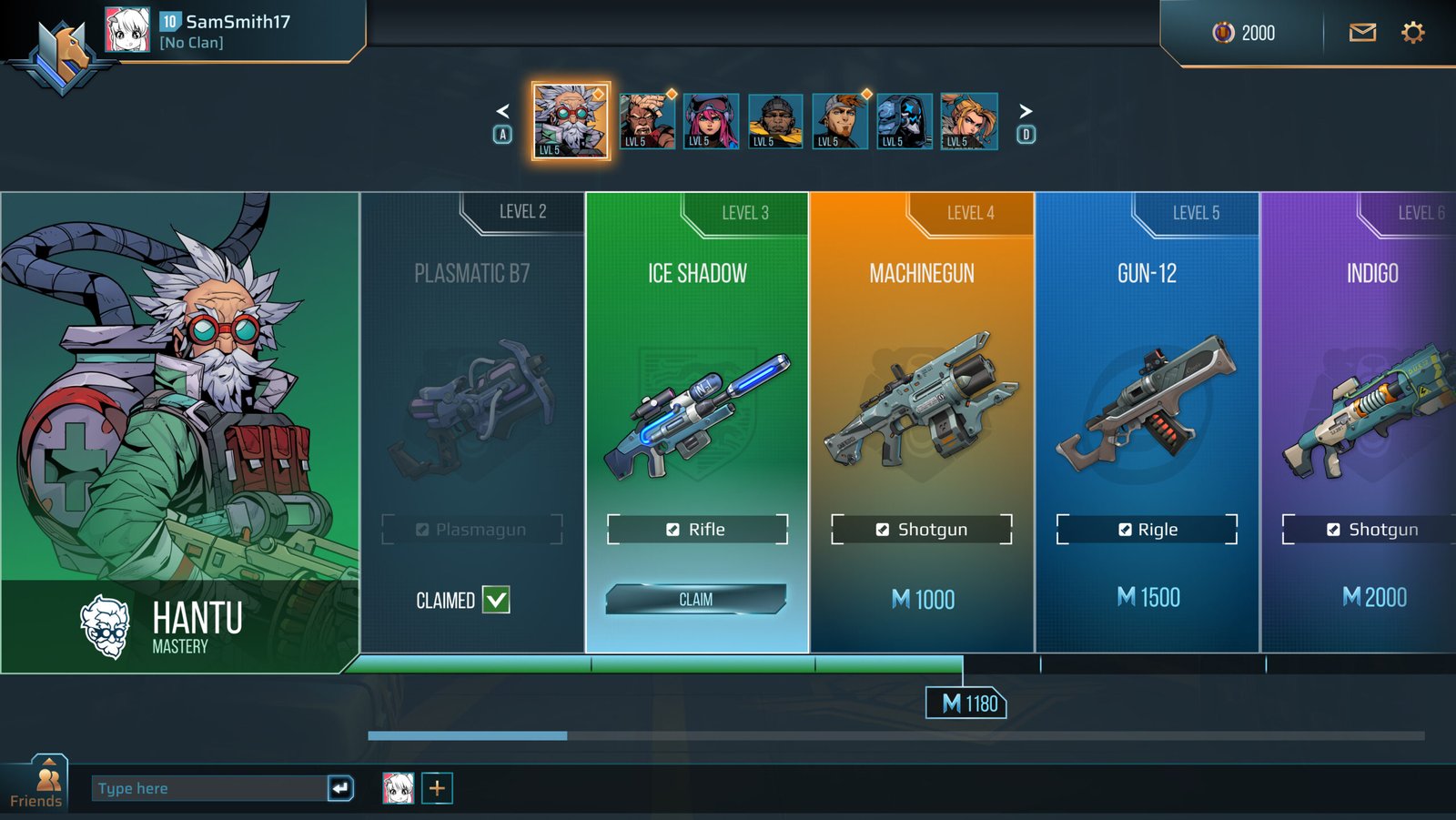
Character progression
OVERVIEW
Pre-Battle and Post-Battle are supporting game flows that prepare players before a match and communicate the results afterward.
THE PROBLEM
Lack of clarity about the phase of the game the player is in, and unclear end-game results.
THE GOAL
Prepare players for the battle phase; create a smooth transition from the main game interface to the match. Clearly communicate battle results to the player.
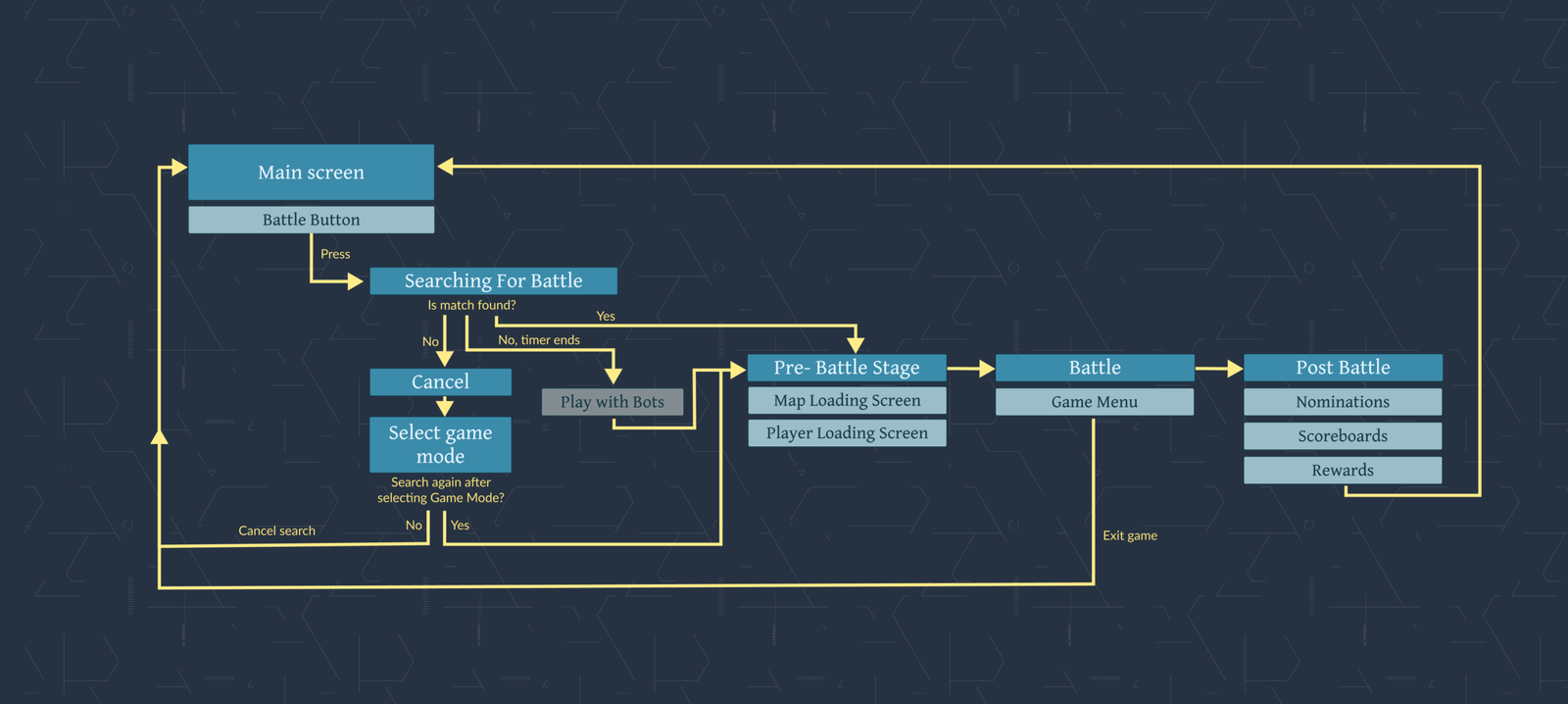
Designs
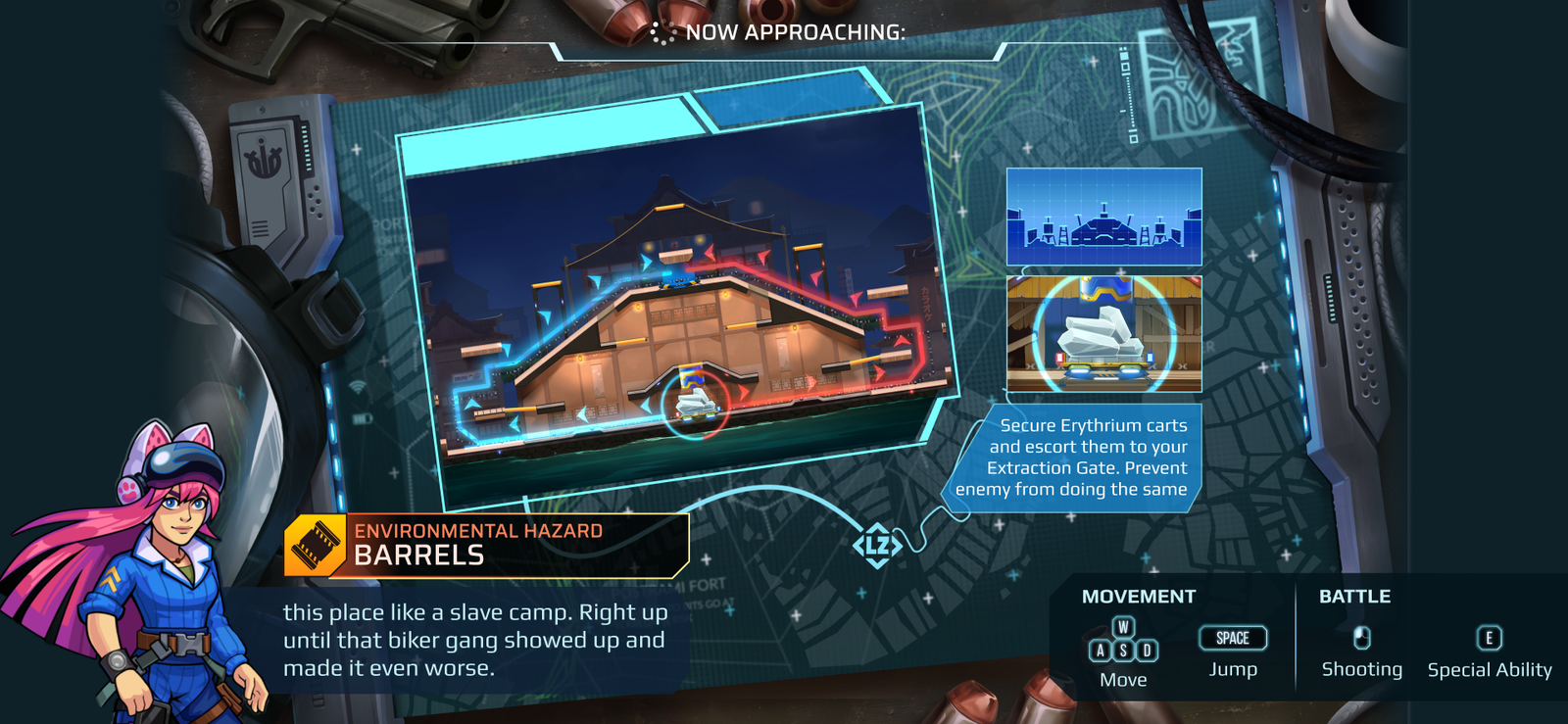
Pre-battle Map loading
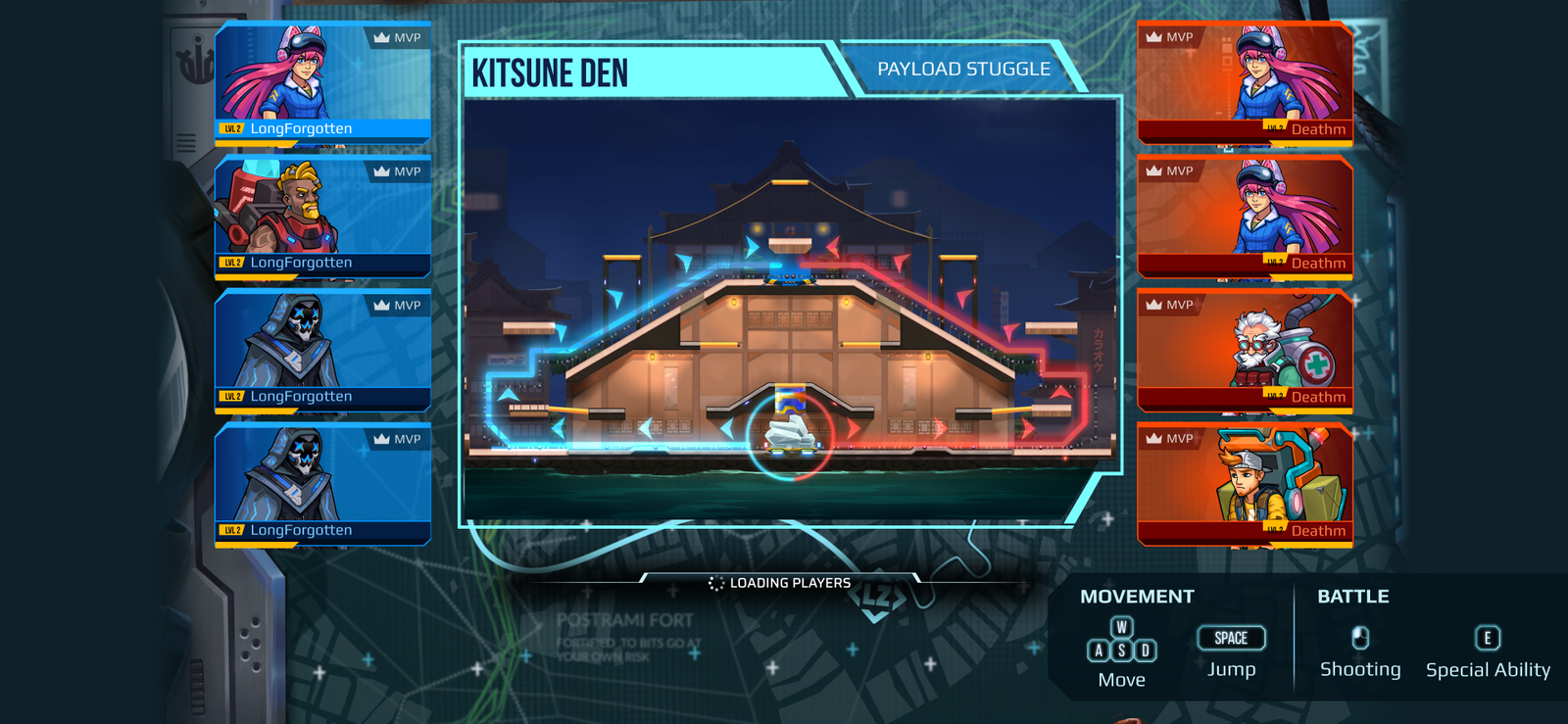
Pre-Battle / Player loading
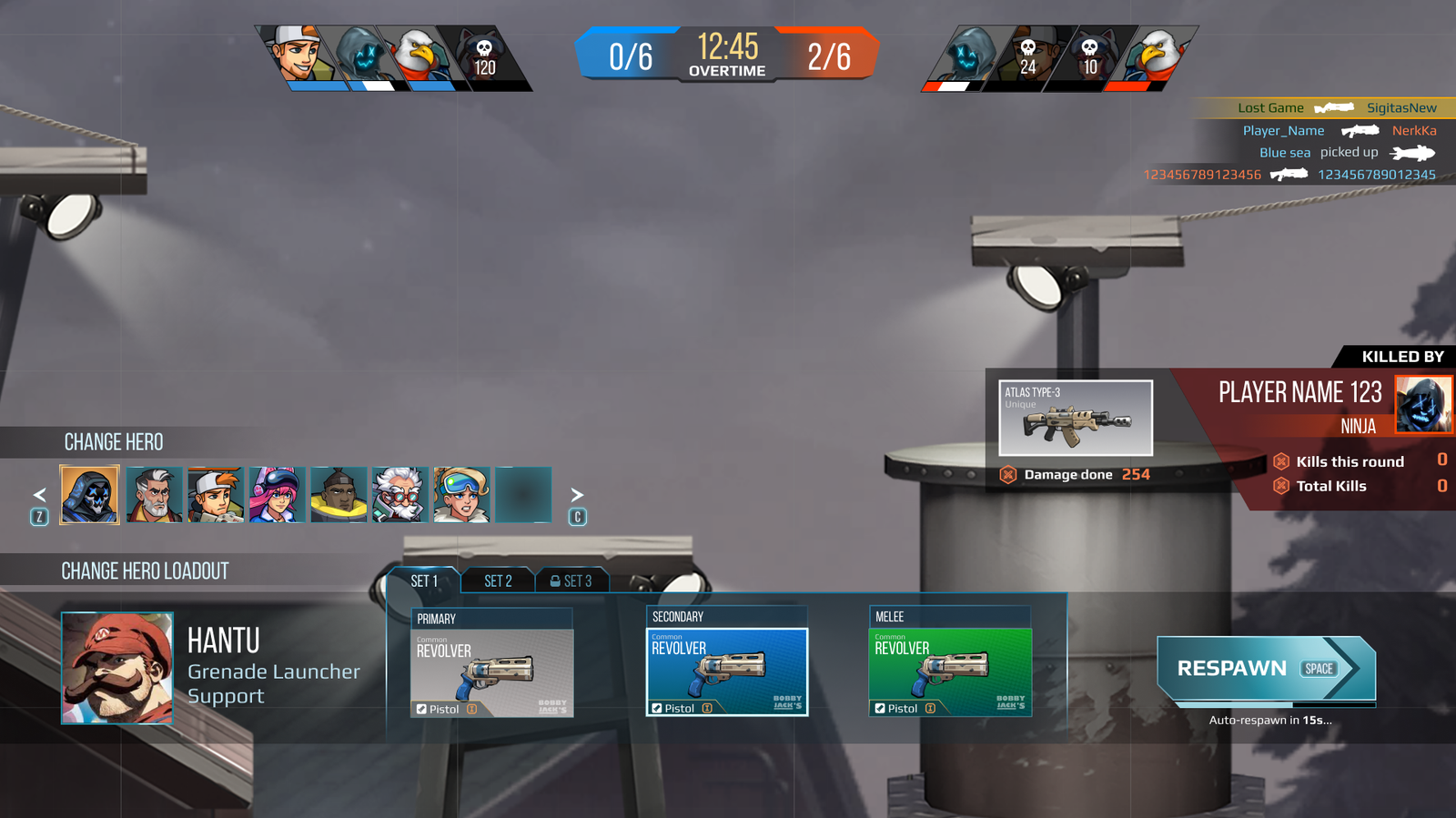
Deathscreen
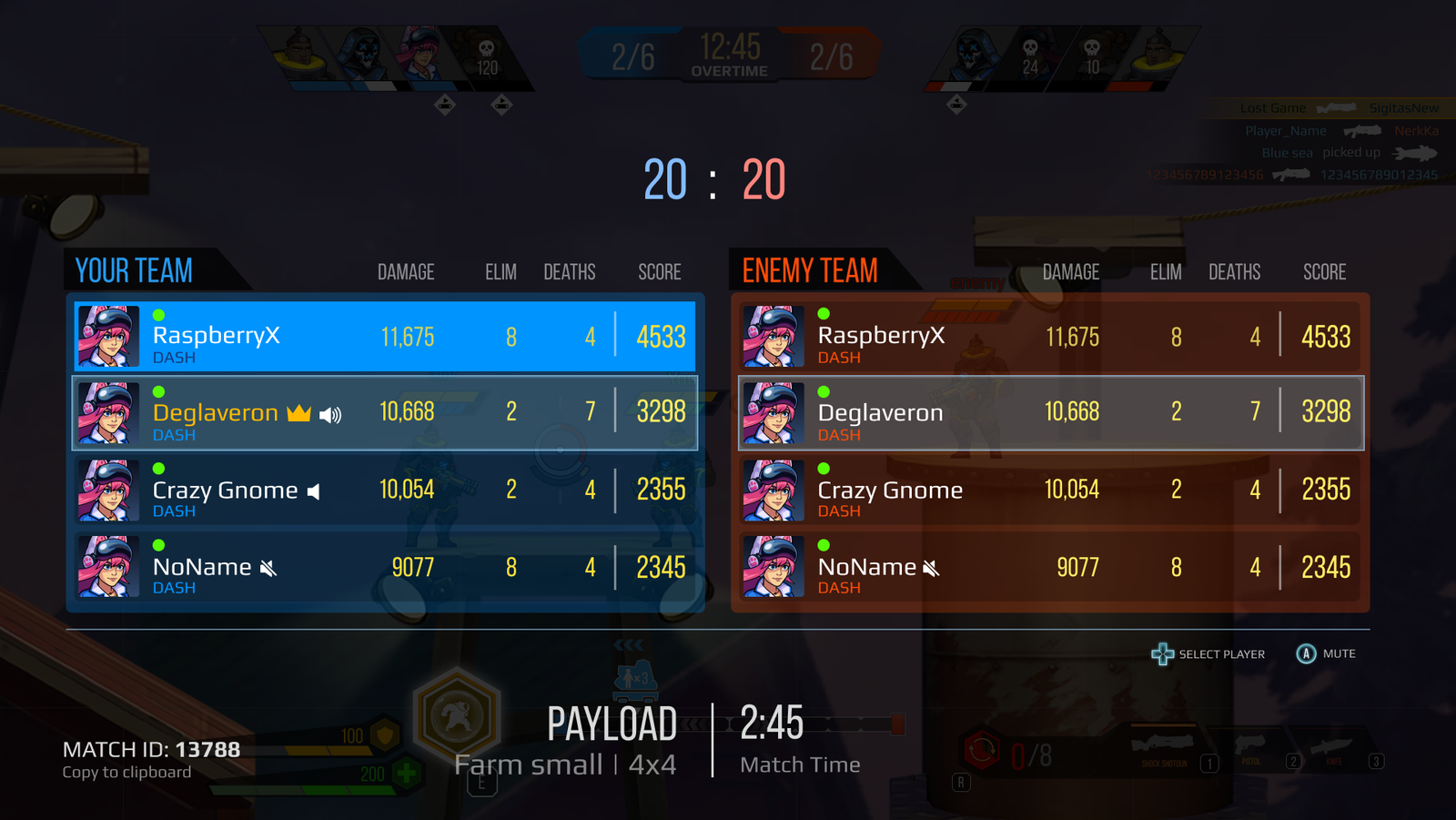
In-game Scoreboard
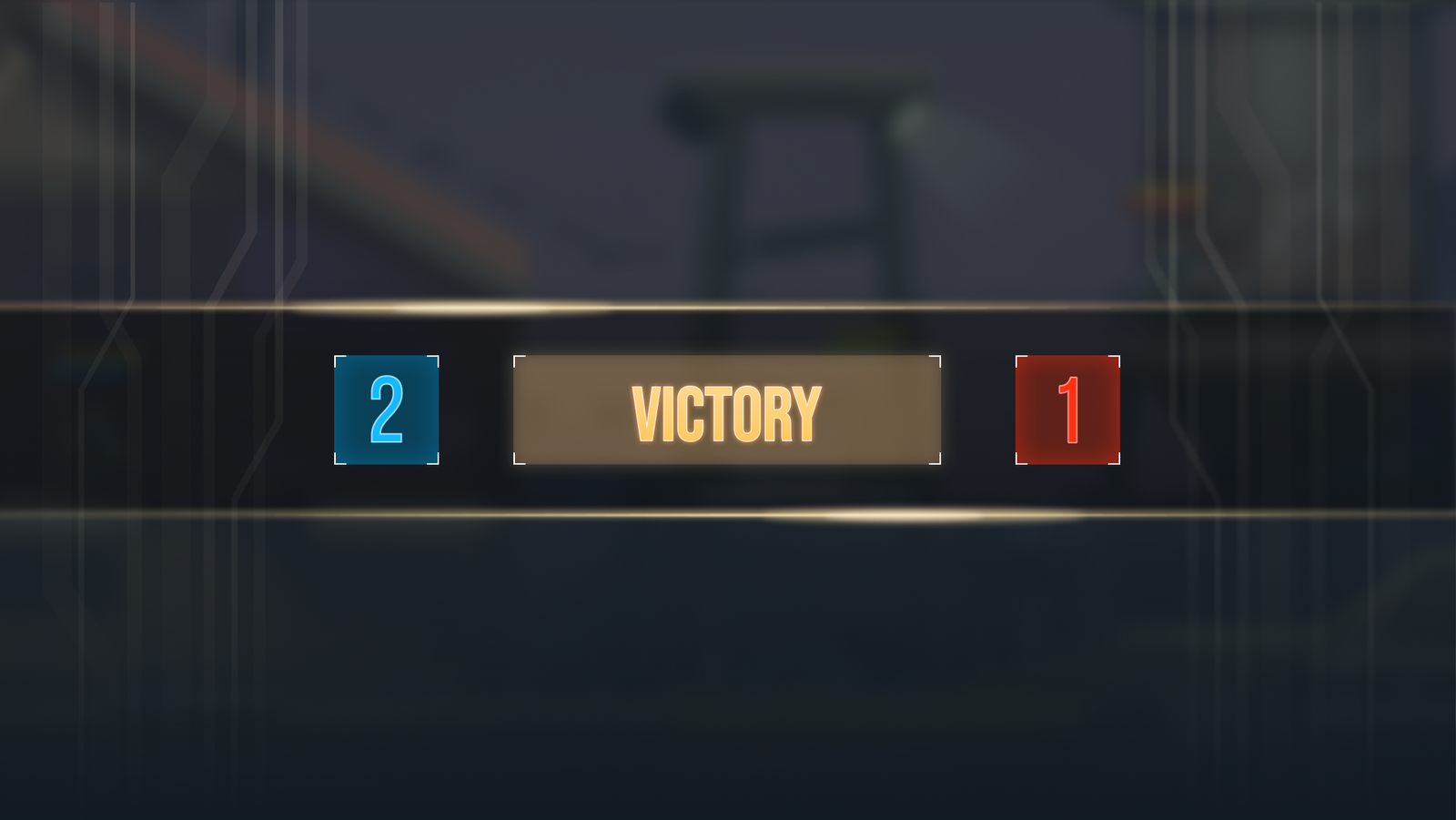
Victory
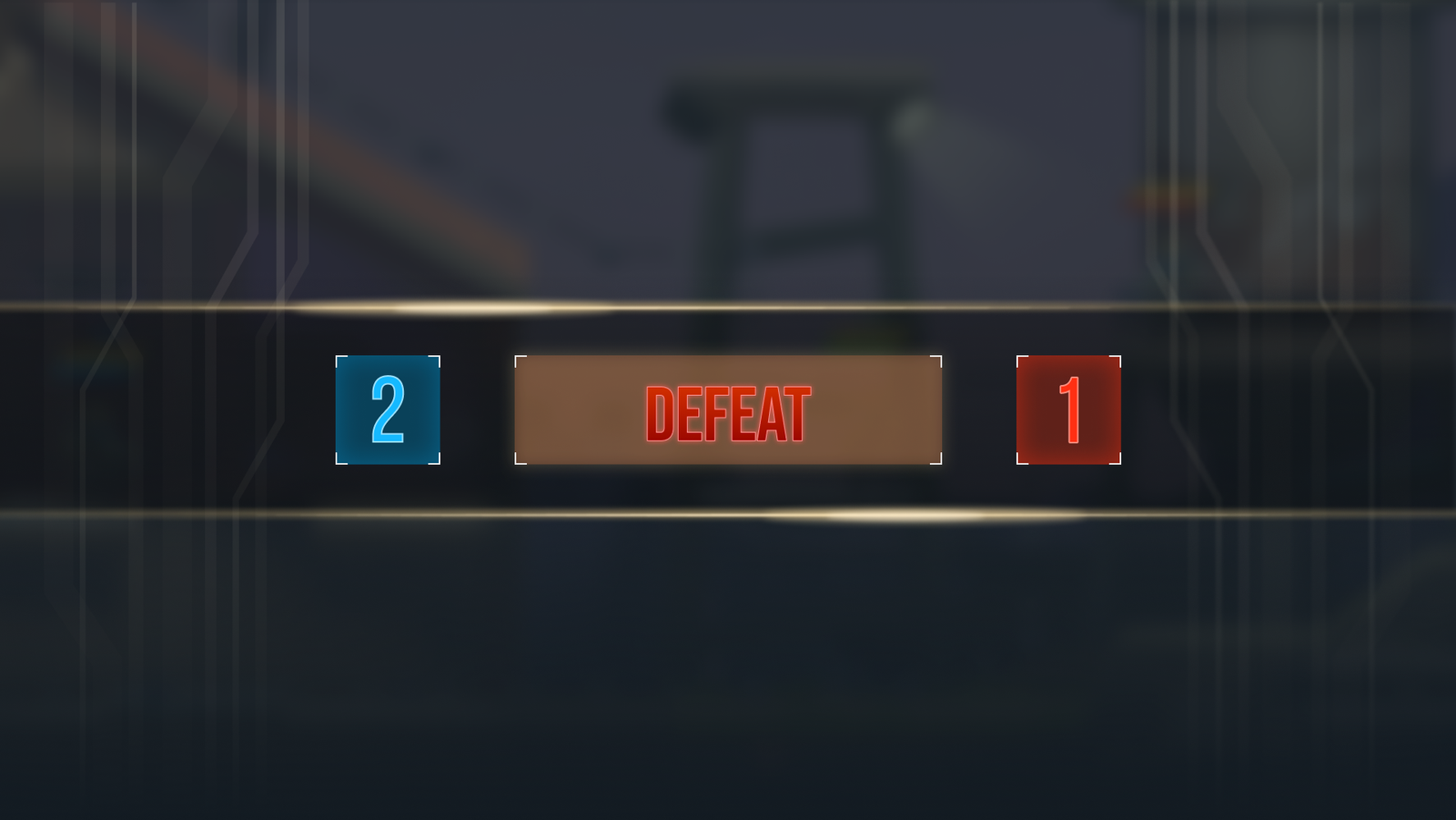
Defeat
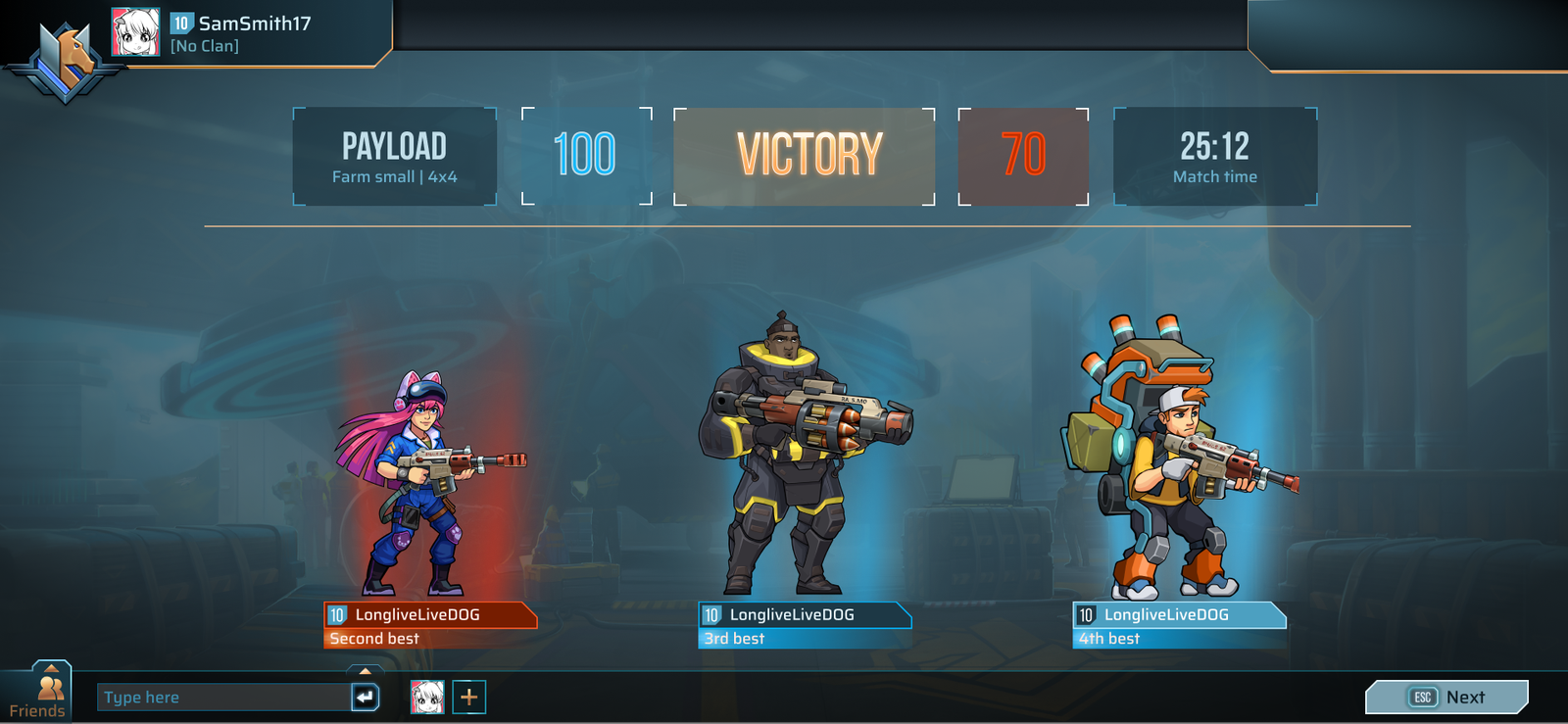
Post-Battle / Nominations
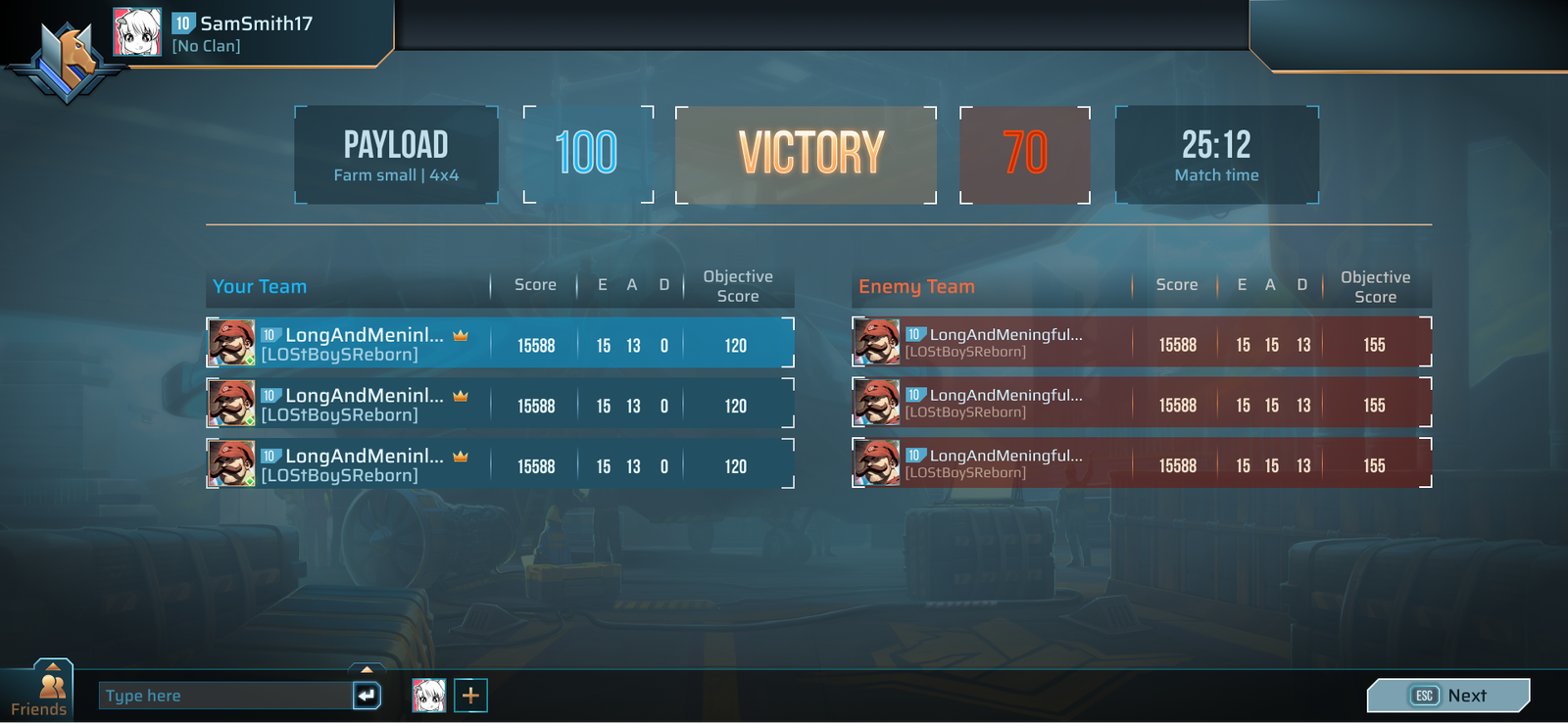
Post-Battle / Match Stats
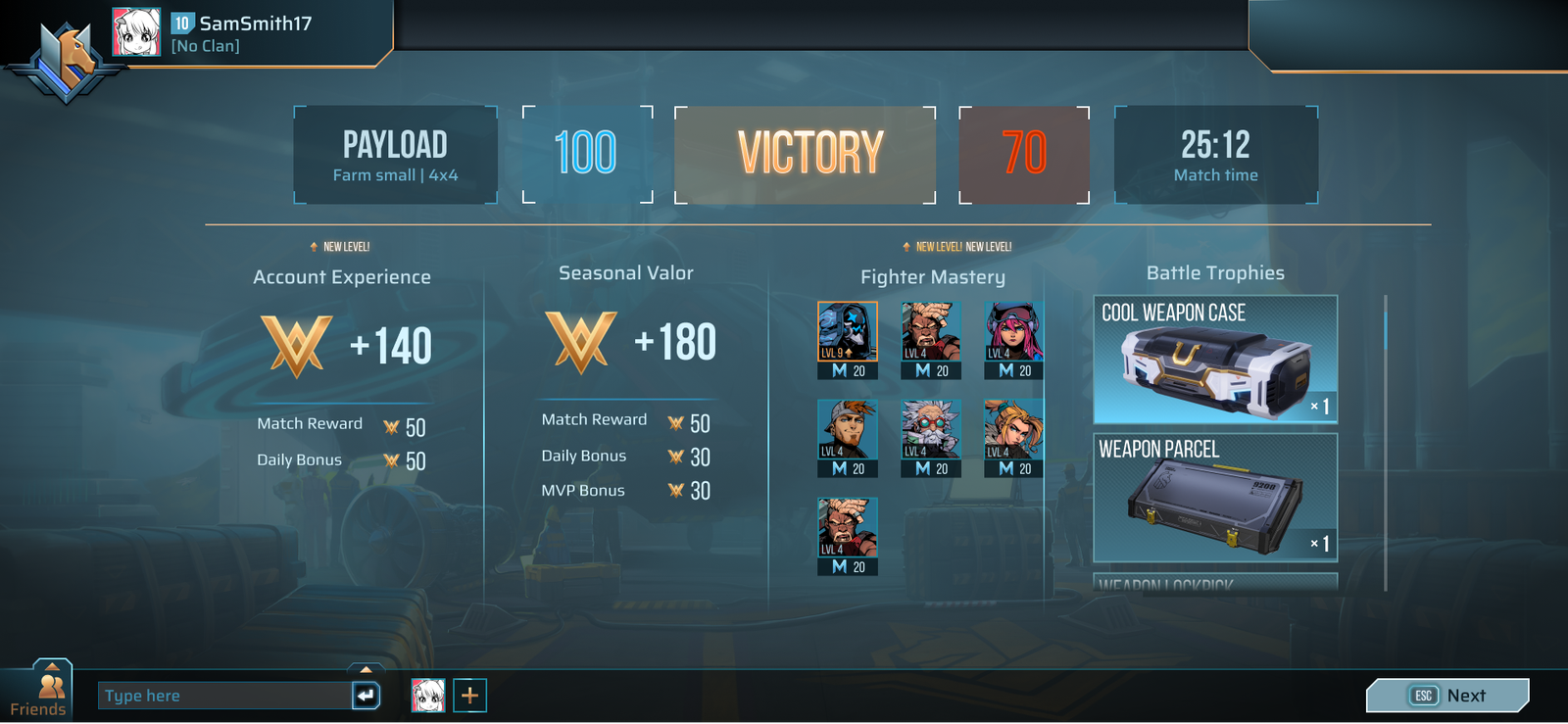
Post-Battle / Match Rewards
Design features
UI kit and Design system
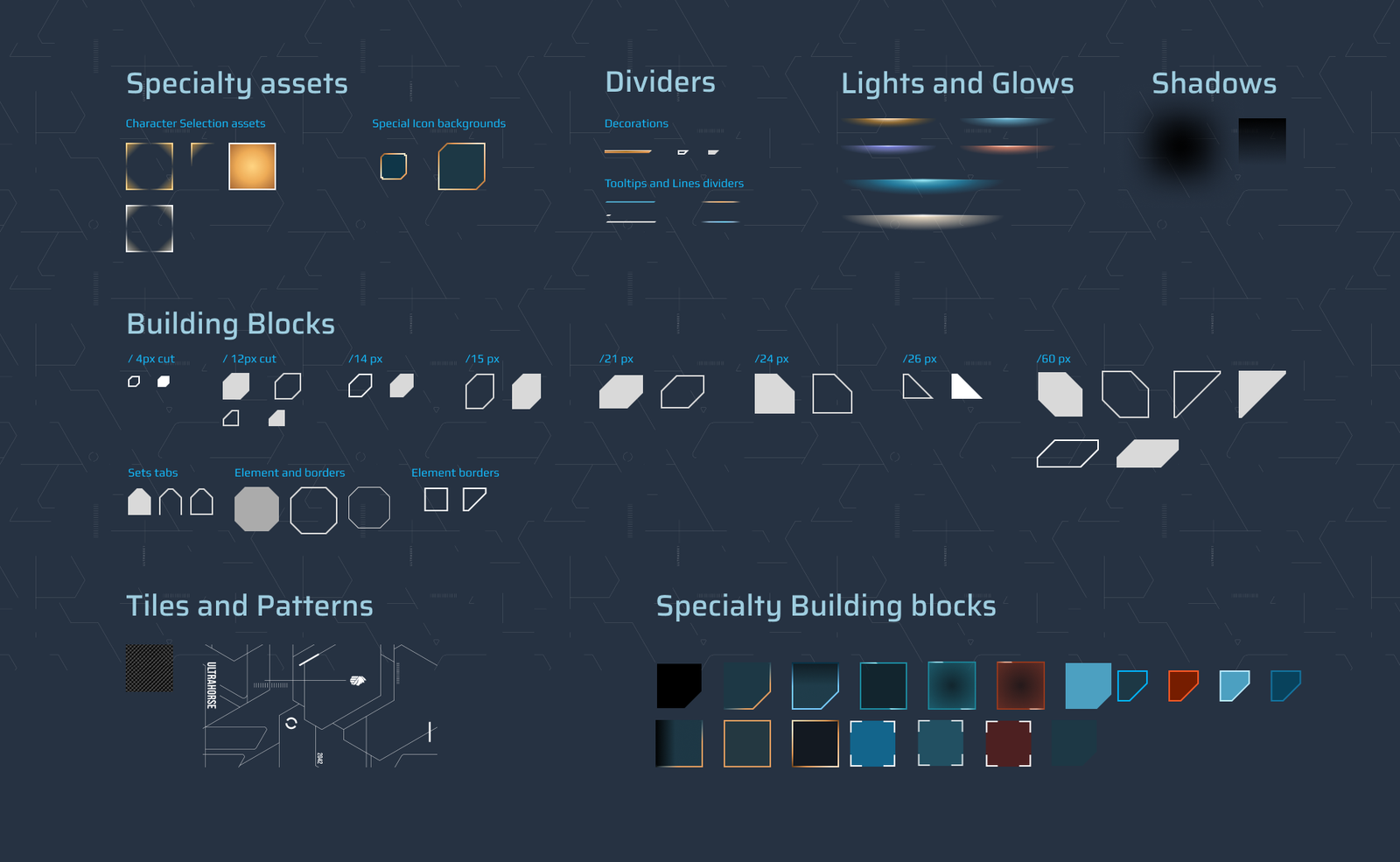
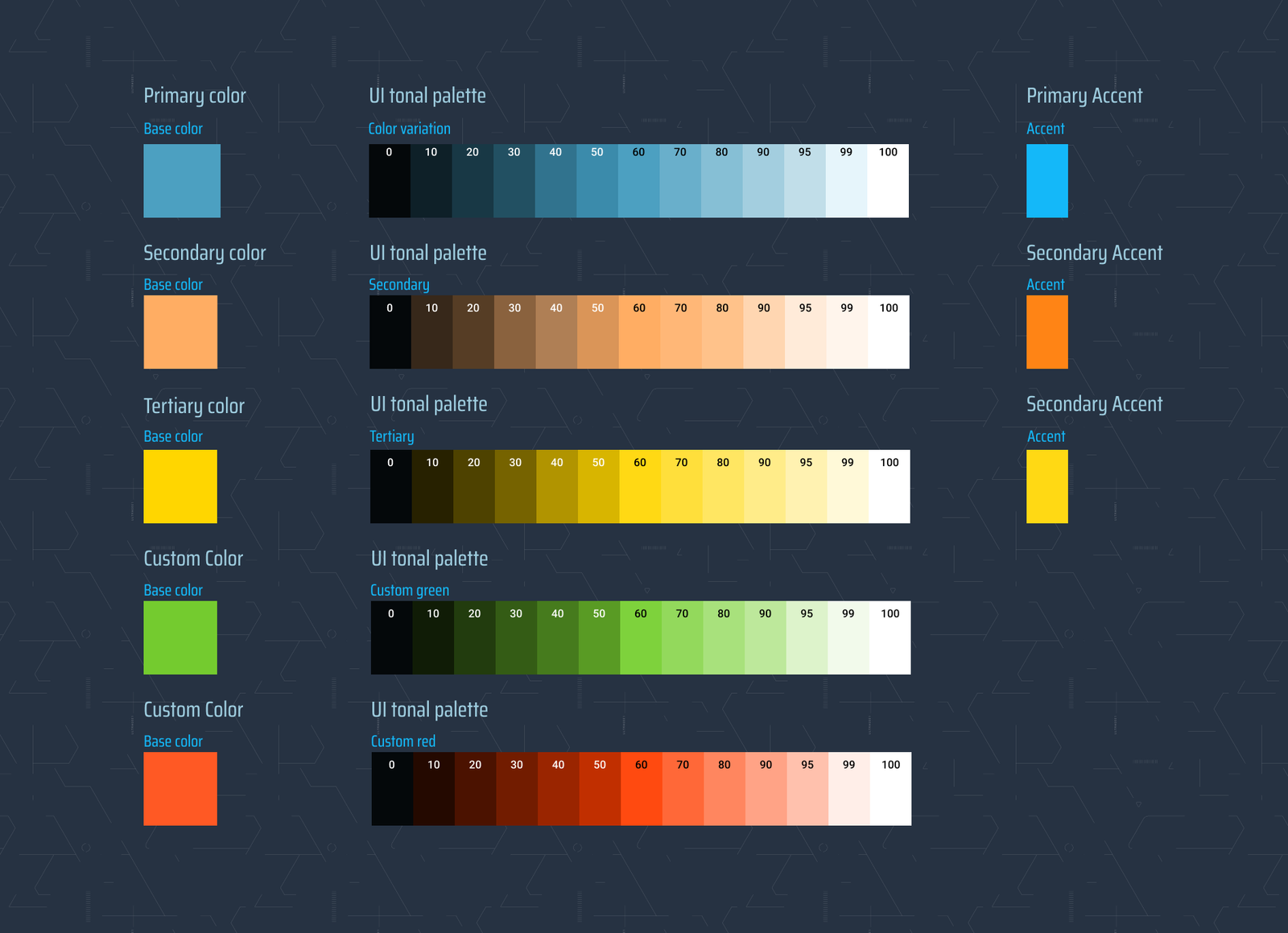
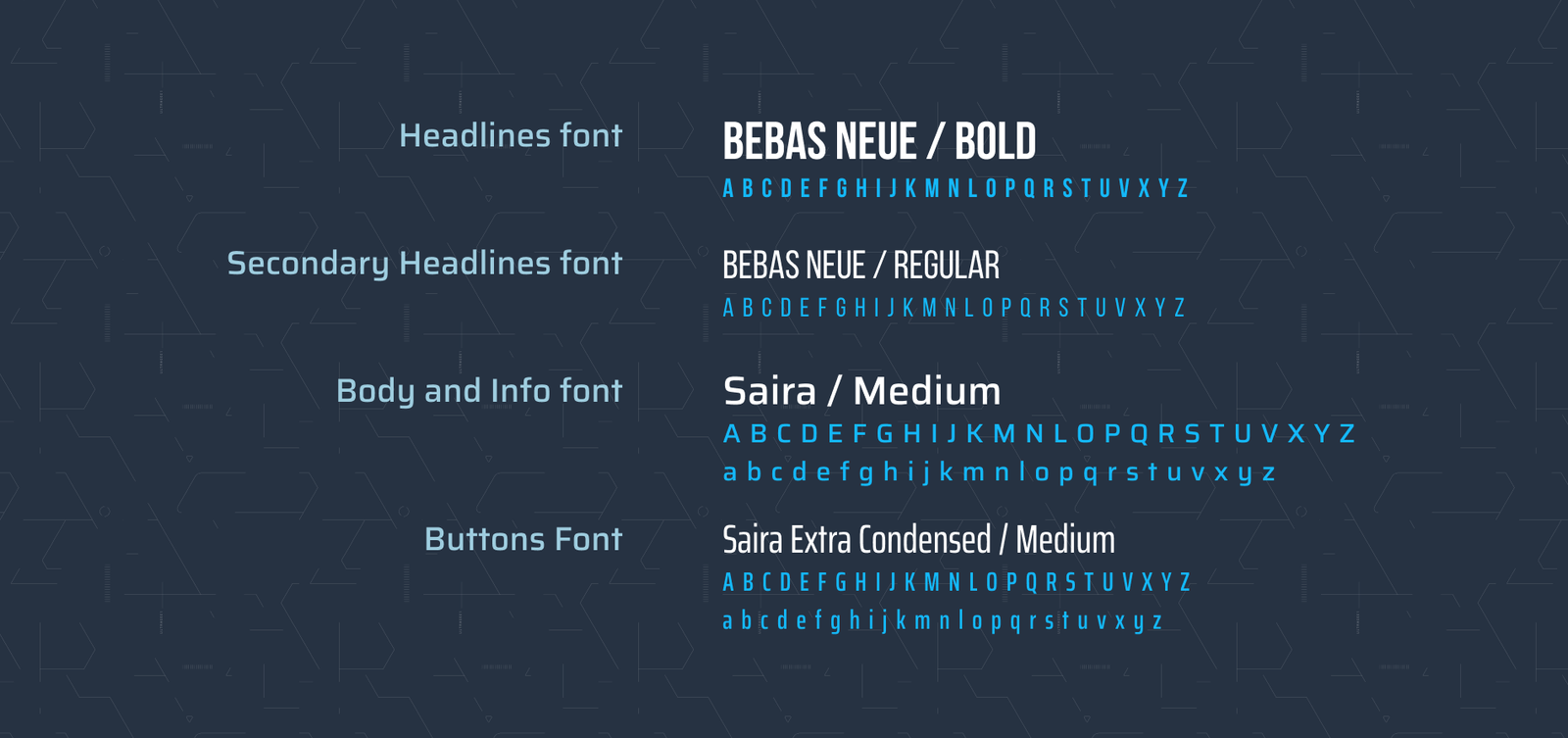
The UI Kit & Design system provides a consistent set of visual components, patterns, and design rules used across the game. It defines how interfaces look, behave, and communicate information to players. The SquadBlast game design system and UI kit were created to speed up UI implementation and maintain consistency across all game interfaces.
Shapes and Building Blocks
Color palette and color variants
Typography
Iconography
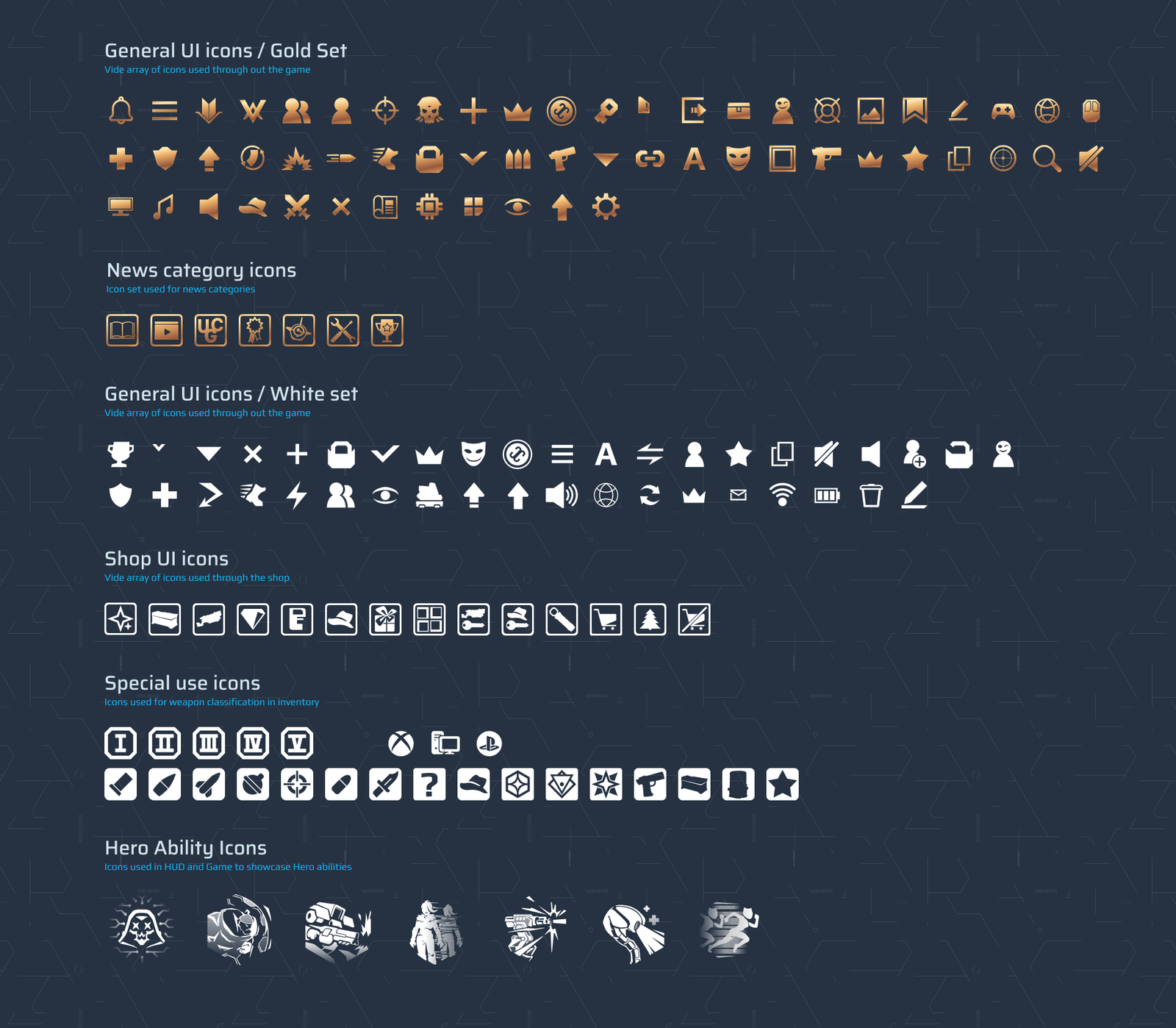
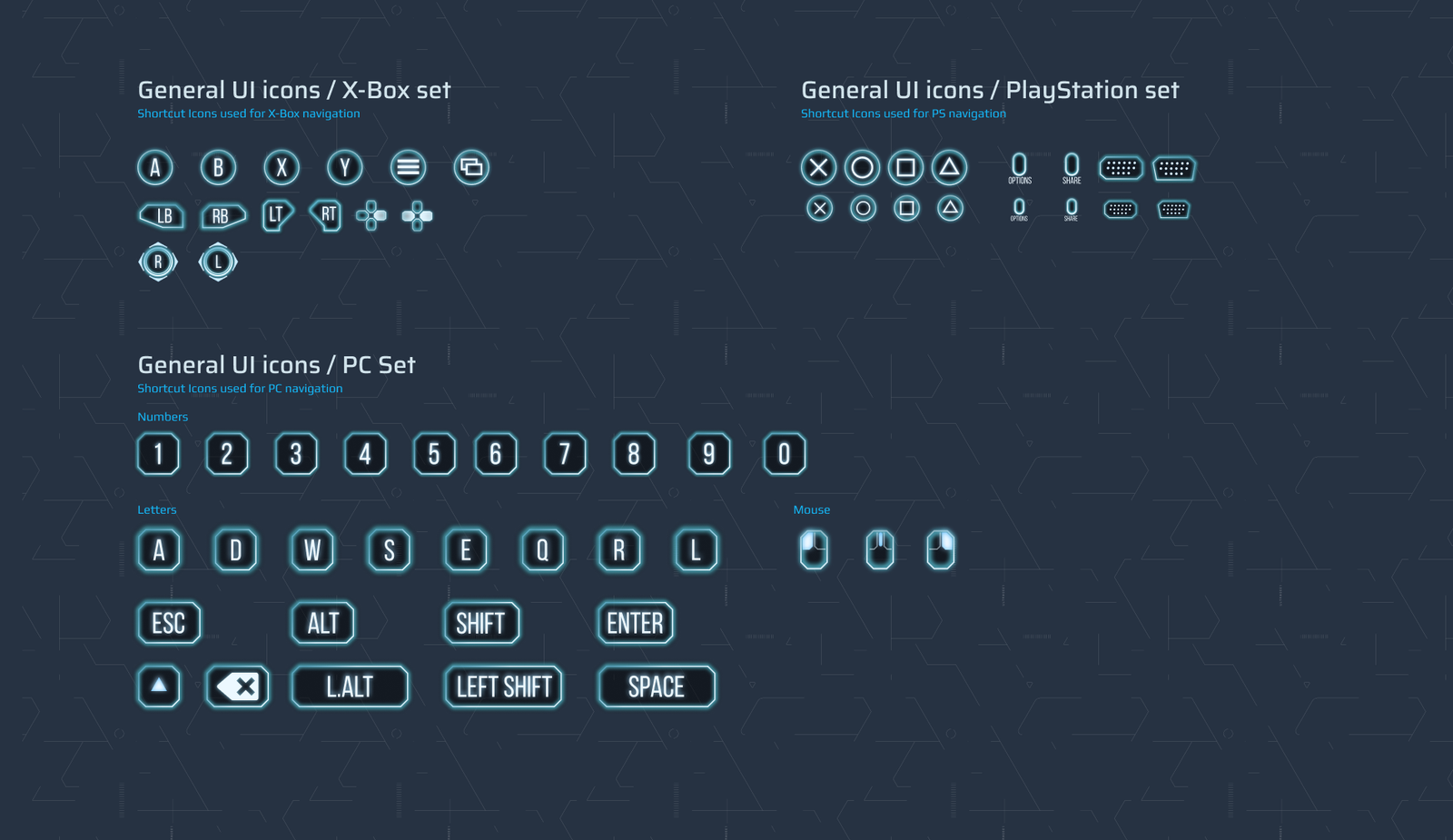
Navigation and Shortcuts Icons
Game Component System
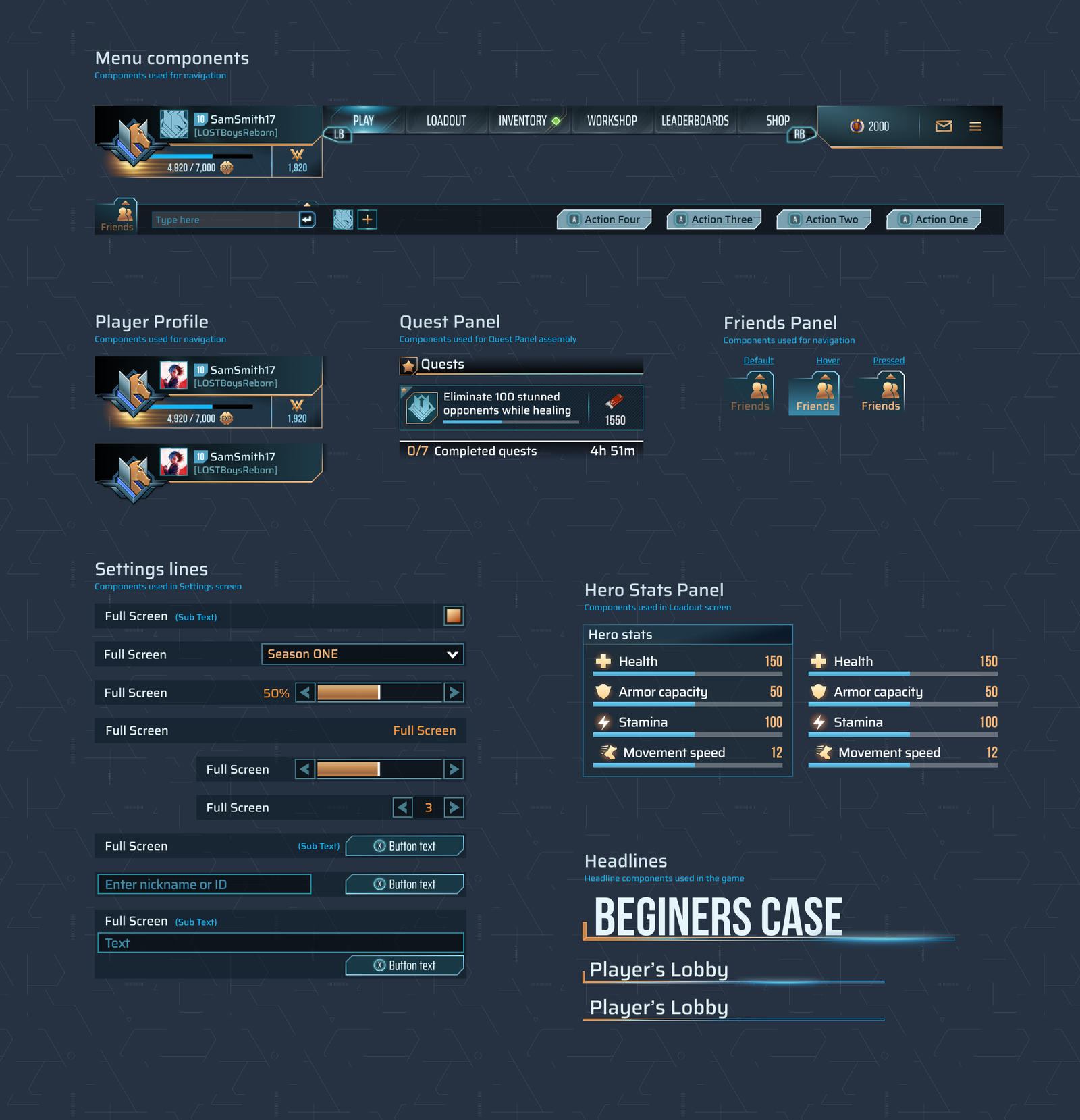
Along with the design system, the Game component System creates an environment that allows to quickly create any design game features you need. There are several pre-made components used throughout the UI.
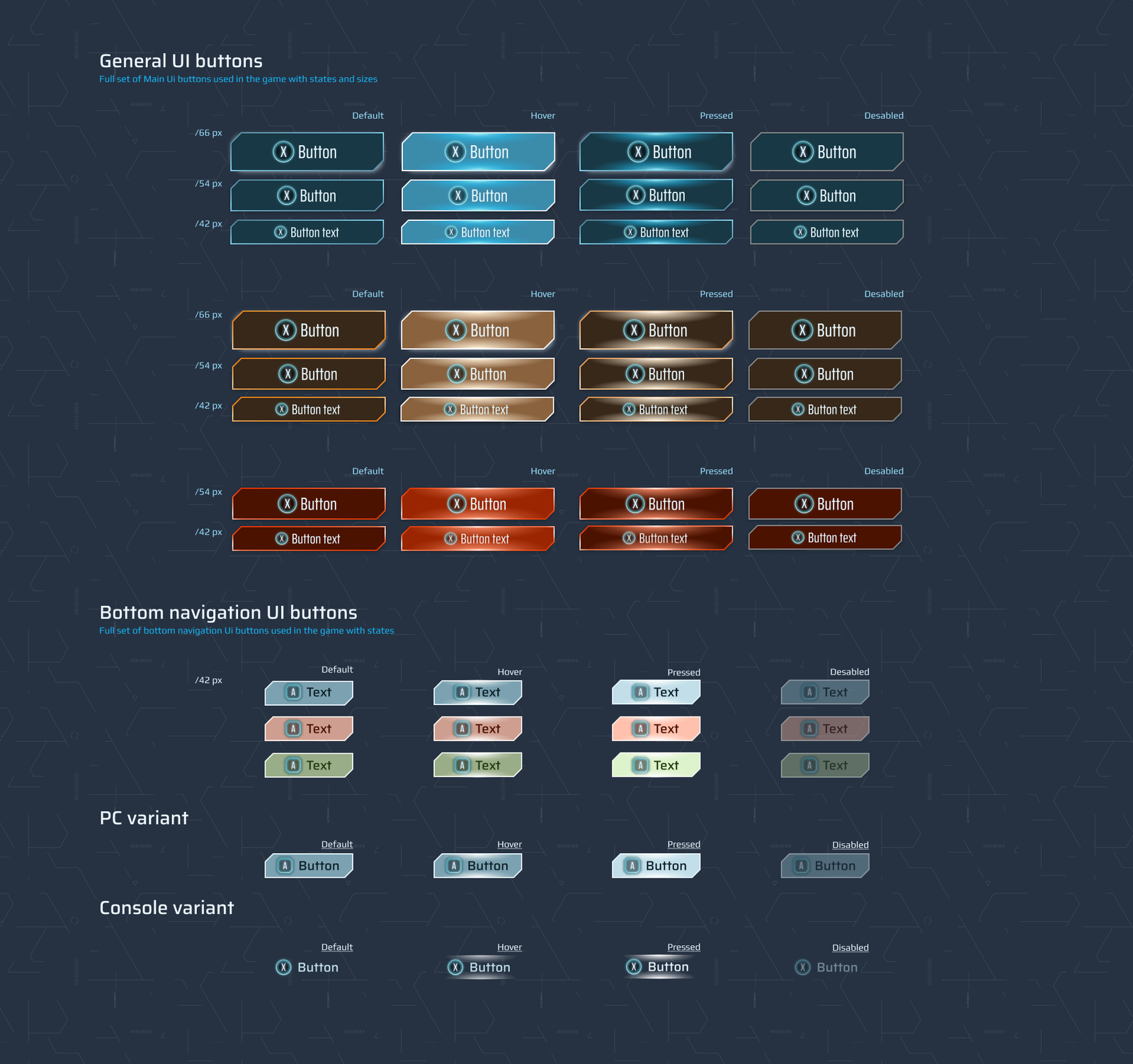
Buttons
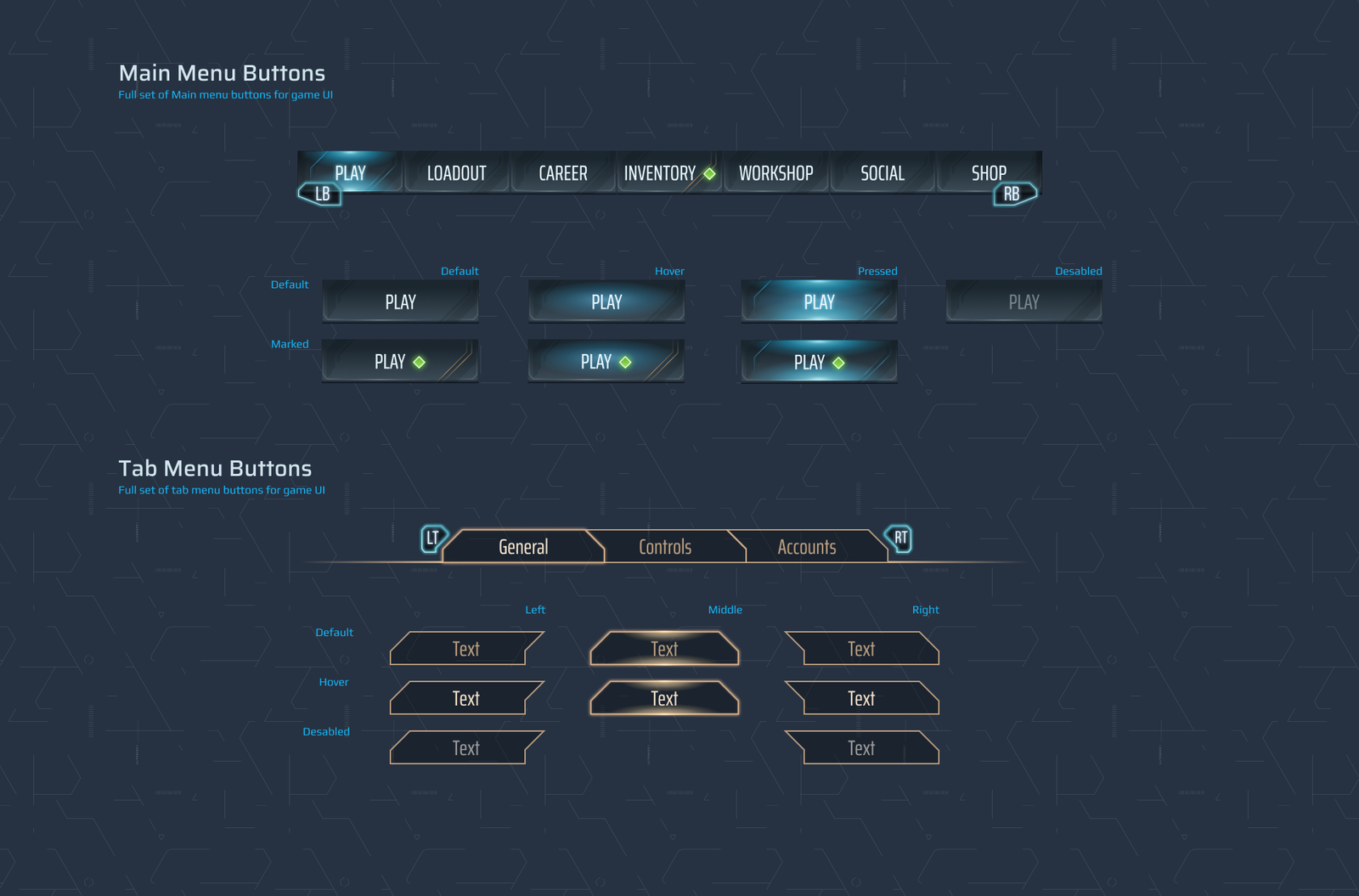
Menus and Tabs
Interface components
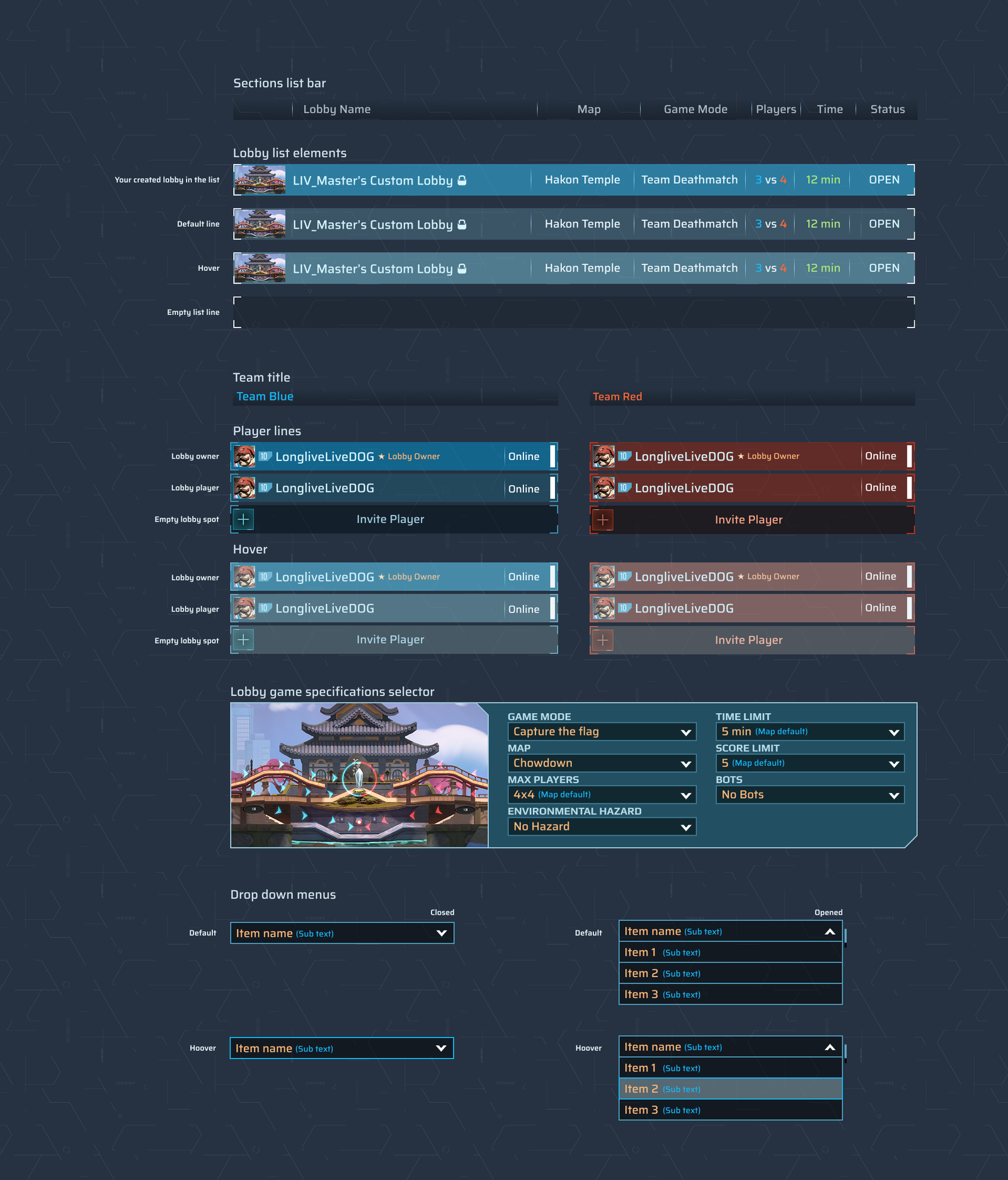
Custom Lobbies Components
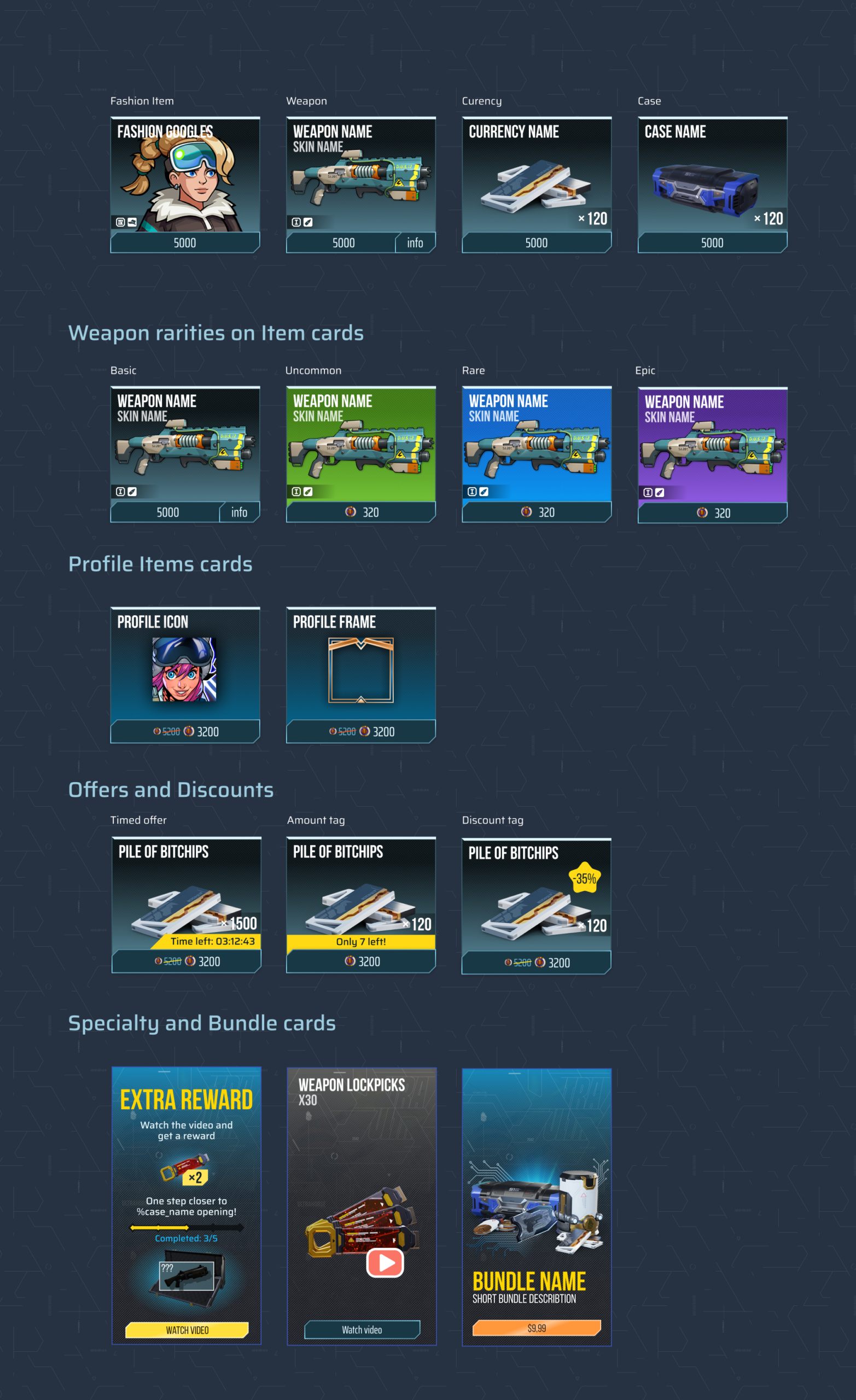
Shop Components
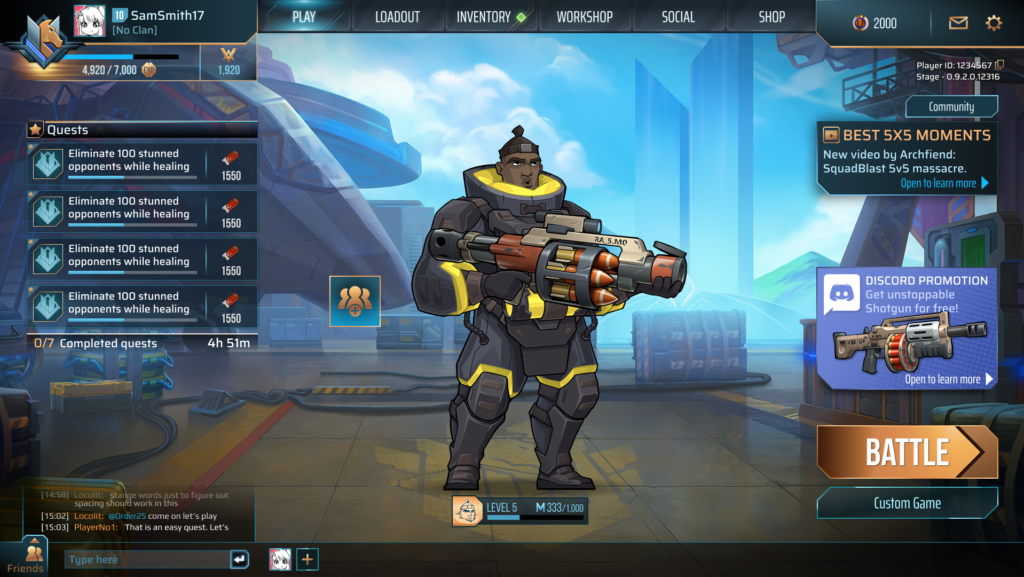
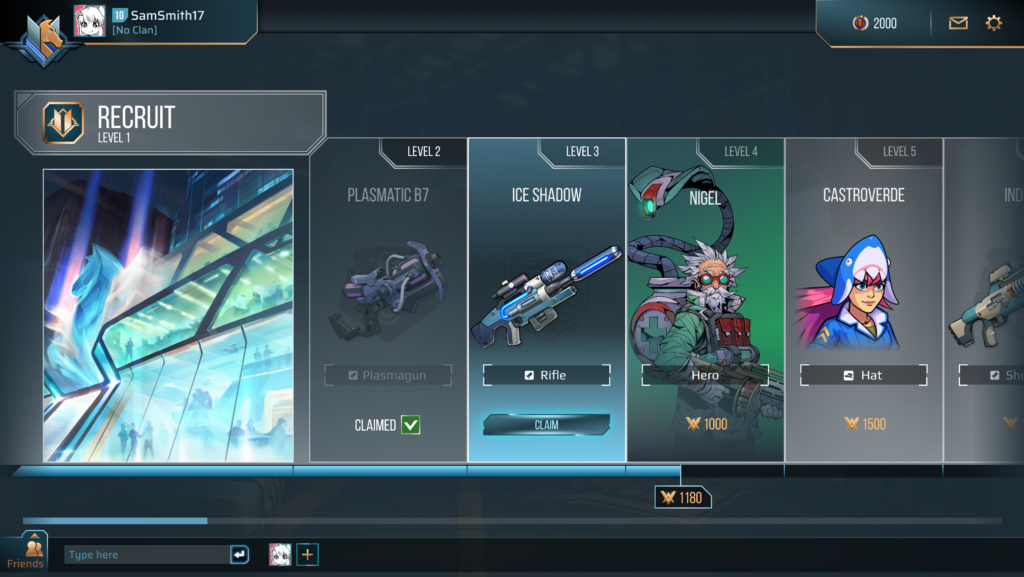
08 – SELECTED DESIGNS
09 – IMPACT
Making Complexity Feel Simple
I designed a clear and scalable UI ecosystem that helps players navigate multiple game systems—from gameplay battles and loadouts to inventory, progression, and social features—without feeling overwhelmed.
Turning Actions Into Motivation
Created clear feedback loops that connect player actions with rewards, progression, and meaningful outcomes, helping players understand their impact and stay engaged with the game.
Building a Cohesive Game Experience
Established a consistent visual and interaction language across the game, creating a recognizable identity while making the overall experience feel intuitive, polished, and connected.
10 – END WORD
I joined this project in its pre-demo phase as a Junior Ui/UX designer with little to no experience designing for games. In the five-year journey, I had the pleasure to redesign interface for this game twice, working on all systems and features in this game. By the end of my time with this project, I came out as a strong UI/UX designer capable of translating complex game design and technical challenges into something that players enjoy and engage with.
The result of my time: a full-fledged, released game that has all needed core UI and UX systems in place for future development and content expansion.
11 NEXT PROJECT
